What safety gear do you need for electric scooters on a boardwalk? Start with a CPSC-certified bike helmet, add a bright headlight and a bell, then choose knee and elbow pads and a lock to suit the ride.
The same logic carries across electric kick scooters, electric skateboards, electric bicycles and inline skates, and the sections below compare them on protection, lights, batteries and security. For a head-to-head look at two of the most popular choices, see electric bike vs electric scooter.
Pick your route through this guide
Most readers arrive with one job in mind, so the sections are ordered by goal. Follow the route that matches yours and skip what does not apply.
- Protecting yourself on a scooter, skateboard or skates. Go to the protective gear section for helmet standards and pad choices, then to lights, bells and brakes.
- Choosing a machine by battery and range. Go to the range section first, then the battery safety section to see what the battery is rated for and how long it lasts.
- Parking an expensive e-bike or scooter. Go to the lock section for thickness, ratings and the two-lock approach.
- Checking where you may ride. Go to the rules section before the first outing.
- Looking at something different. Go to the final section on drift trikes and beach-oriented bikes.
Protective gear by ride type
A helmet comes first on every wheeled option in this guide. For scooter riding, rider-safety guidance states that a CPSC-certified bike helmet is the minimum, and it adds that you may want something more protective for higher speeds. That wording matters: certification is the floor, not the target, and the faster the machine you buy, the more reason to move up from the floor.
If you are still shopping for a helmet, best bike helmets compares adult options. A certified helmet only works when it sits correctly, so read how should a bike helmet fit before the first ride rather than after the first fall.
Electric kick scooter
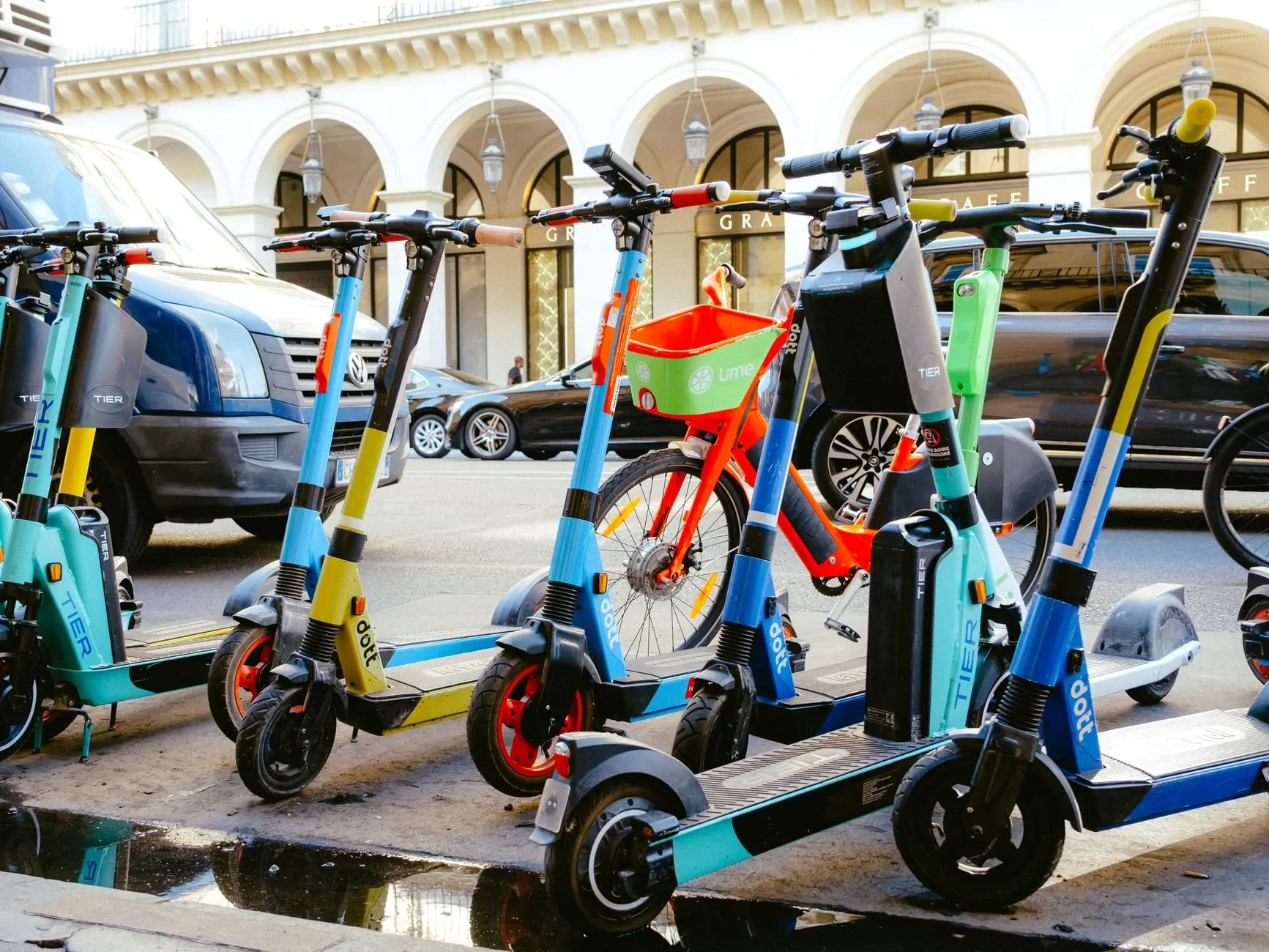
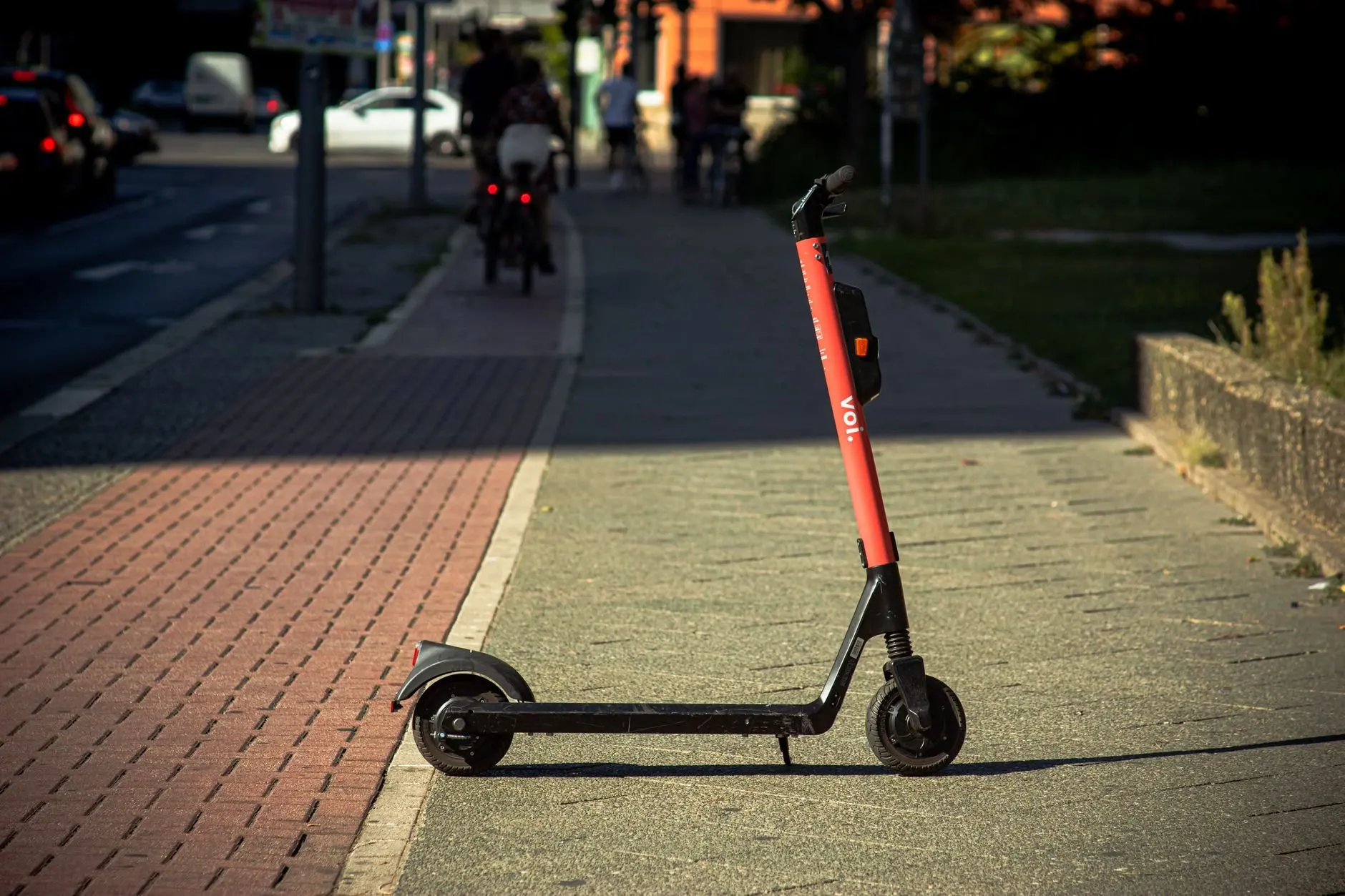
An electric kick scooter keeps the rider upright on a narrow deck with little to hold onto except the handlebar, so head and joint protection both matter. The same scooter guidance lists the core kit as a helmet plus knee and elbow pads, and it advises gaining riding experience before joining traffic. For a boardwalk ride, that second point translates into practice: spend the first outing in a quiet, open area to learn braking and turning before sharing space with pedestrians and cyclists.
Electric skateboard
On an electric skateboard, the standing position and the handheld remote leave no hand free to catch a fall, which is why protection should be settled before power. Skate-retail guidance names a helmet, knee pads and elbow pads as the best protective gear for riding sessions. Buy all three together, and treat a board bought without them as an incomplete purchase.

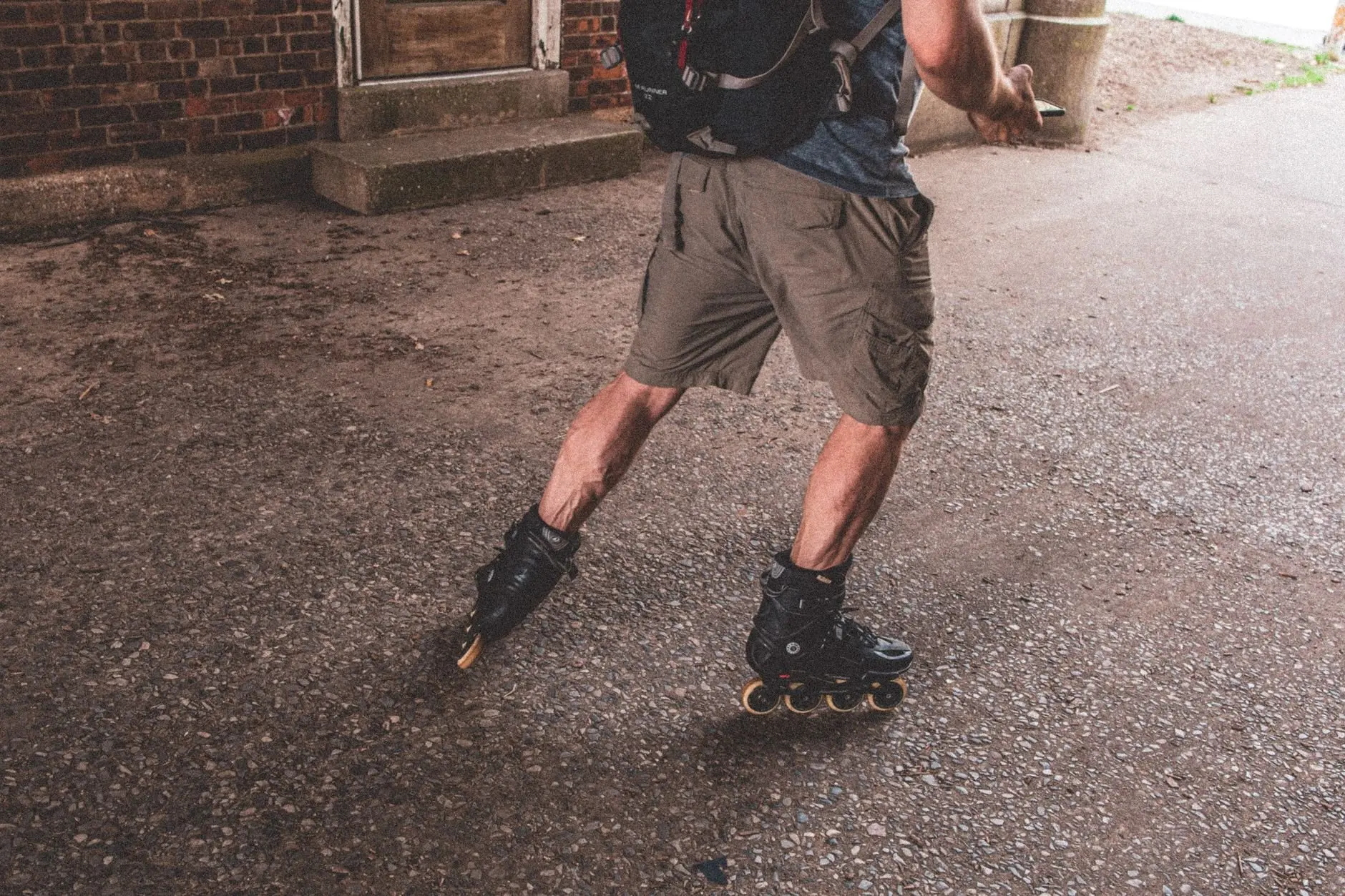
Inline skates
Inline skates carry no motor, so there is no battery to manage, but the gear list is the same one the skate-retail guidance gives: helmet, knee pads and elbow pads. The practical difference is that muscle-powered skating suits riders who want the lowest equipment overhead, with nothing to charge and no battery pack to protect from rain. That simplicity does not remove the need for protection, because a fall on skates happens at the rider’s own cruising pace.
Electric bicycle
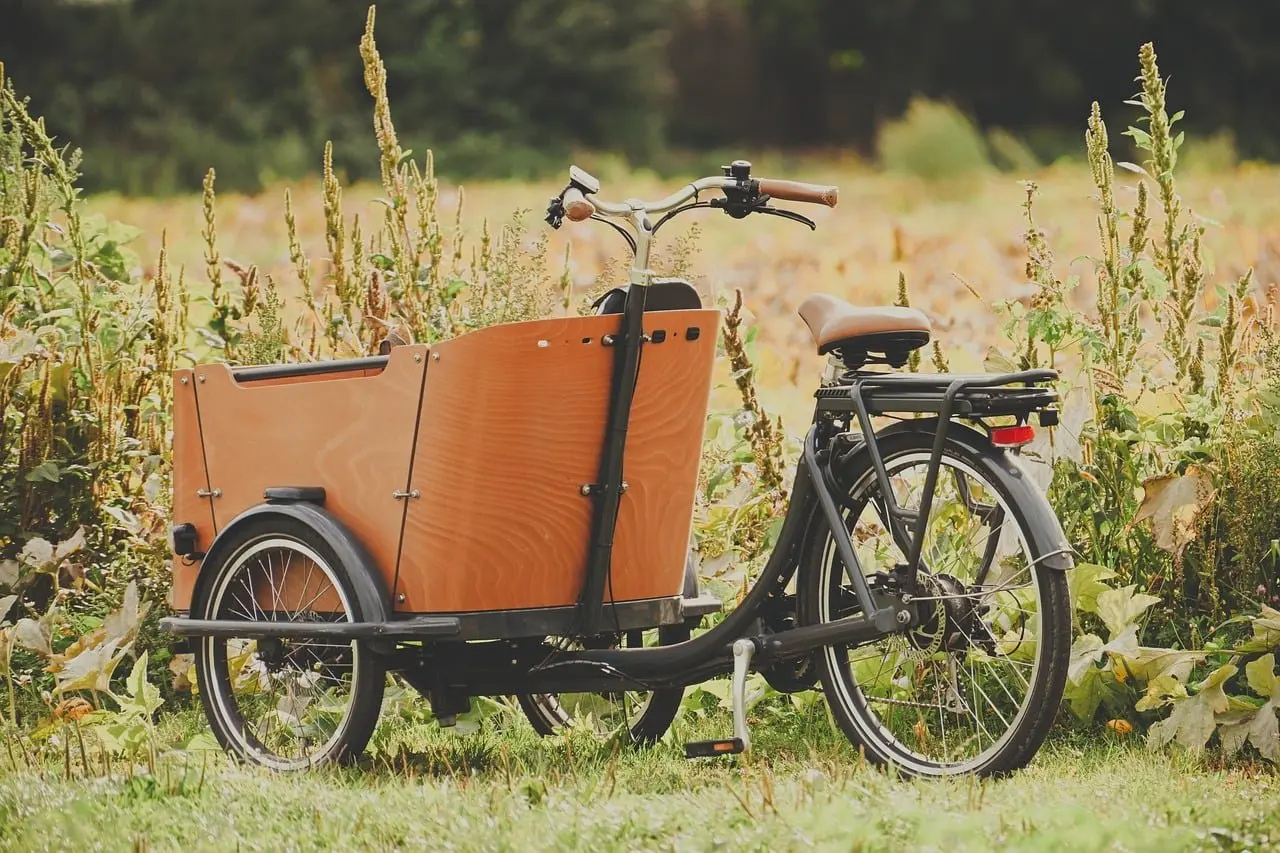
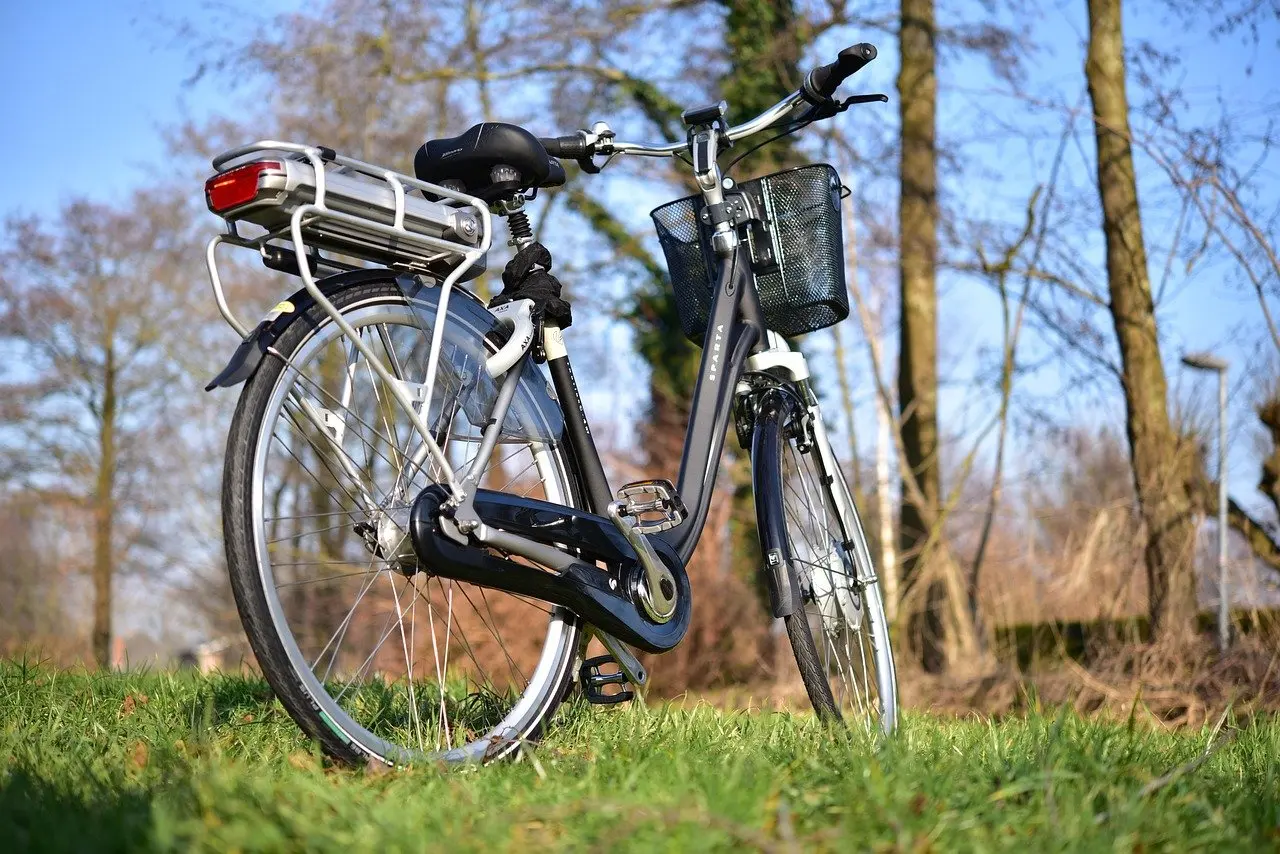
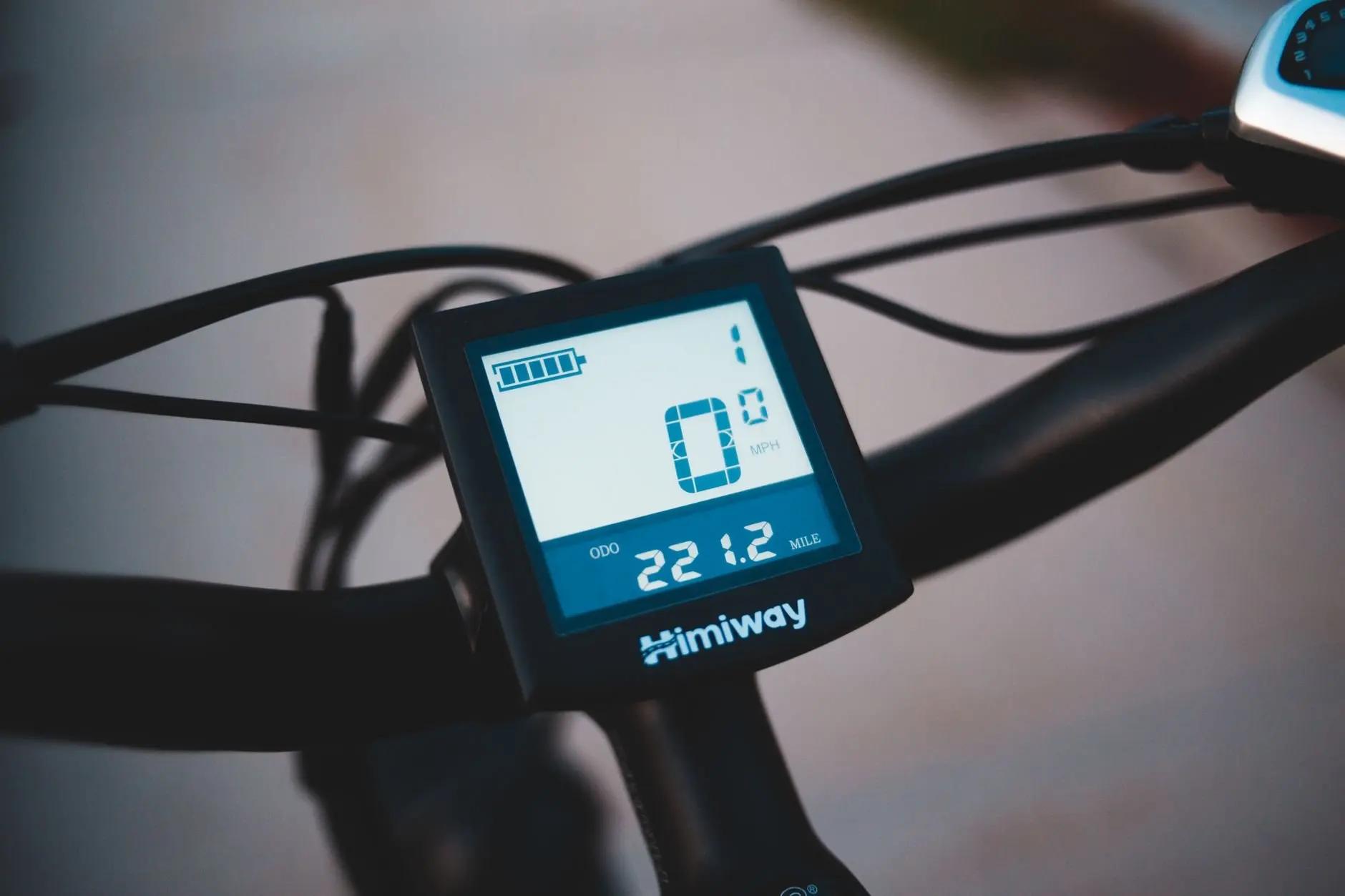
An electric bicycle is the ride where a helmet decision and a lock decision meet, because the same machine is both fast and valuable. Wear a helmet that fits properly and choose it for the speed you expect to ride. The security cost of an e-bike is covered in the lock section below.
Gear at a glance
| Ride type | Core protective gear named | Extra note | Planning use |
|---|---|---|---|
| Electric kick scooter | CPSC-certified bike helmet, knee pads, elbow pads | A more protective helmet is worth considering at higher speeds | Treat certification as the floor and upgrade the helmet if the scooter is fast |
| Electric skateboard | Helmet, knee pads, elbow pads | Gear named for riding sessions generally | Buy the pads with the board, not later |
| Inline skates | Helmet, knee pads, elbow pads | No battery to manage | Budget for protection first, since there is no motor cost |
The scooter row draws on rider-safety guidance, and the skateboard and skate rows on skate-gear guidance.
Lights, bells and brakes
Visibility and stopping power are the two protections a helmet cannot provide. Scooter safety guidance recommends a bright, high-mounted headlight of 1000 lumens or better. Many scooters ship with a modest lamp, so check the lumen figure on the spec sheet before assuming the stock light is enough for dusk on an unlit path.
For other riders and pedestrians to hear you coming, the same guidance measures a standard bell at around 90 dB and a mechanical horn at around 105 dB. On a crowded boardwalk, the bell is the courteous way to announce a pass. The horn is the louder fallback for situations where a bell is likely to be lost in noise. If most of your riding will be after sunset, best bike lights for night riding covers lights and reflective items that suit wheeled riders in general.
Brakes deserve as much attention as lights. A scooter safety guide from a scooter maker says that the hallmark of the safest electric scooters is redundancy, meaning a dual or triple braking system. In practice, that makes a scooter with more than one independent way to stop a better candidate for crowded paths than one that relies on a single brake. When comparing models, read the braking line of the spec sheet as carefully as the speed line.
How far a scooter goes on a charge
Range depends on battery energy, and battery energy is measured in watt-hours. The battery guide from a scooter maker gives the formula as Wh = V x Ah, with a 36V battery rated at 10Ah storing 360Wh. Most adult electric scooters use 36V, 48V or 52V systems, so the voltage on a spec sheet tells you which family a model belongs to, and the Wh figure tells you how much energy it carries.
The same guide offers a rule of thumb for real-world range: roughly 1-1.5 miles per 10Wh for a typical adult rider. That is a vendor estimate, so use it to compare models on a common footing rather than as a promise. A scooter whose listed range sits far above what its watt-hours would suggest under this rule deserves a closer look at how the maker measured it.
Two decisions follow. If the boardwalk ride is short and you will recharge between outings, a modest battery is enough and keeps the machine simpler. If you plan a long out-and-back, choose by watt-hours rather than by headline range, and plan the return leg before the battery indicator runs low.
Battery safety, lifespan and weather
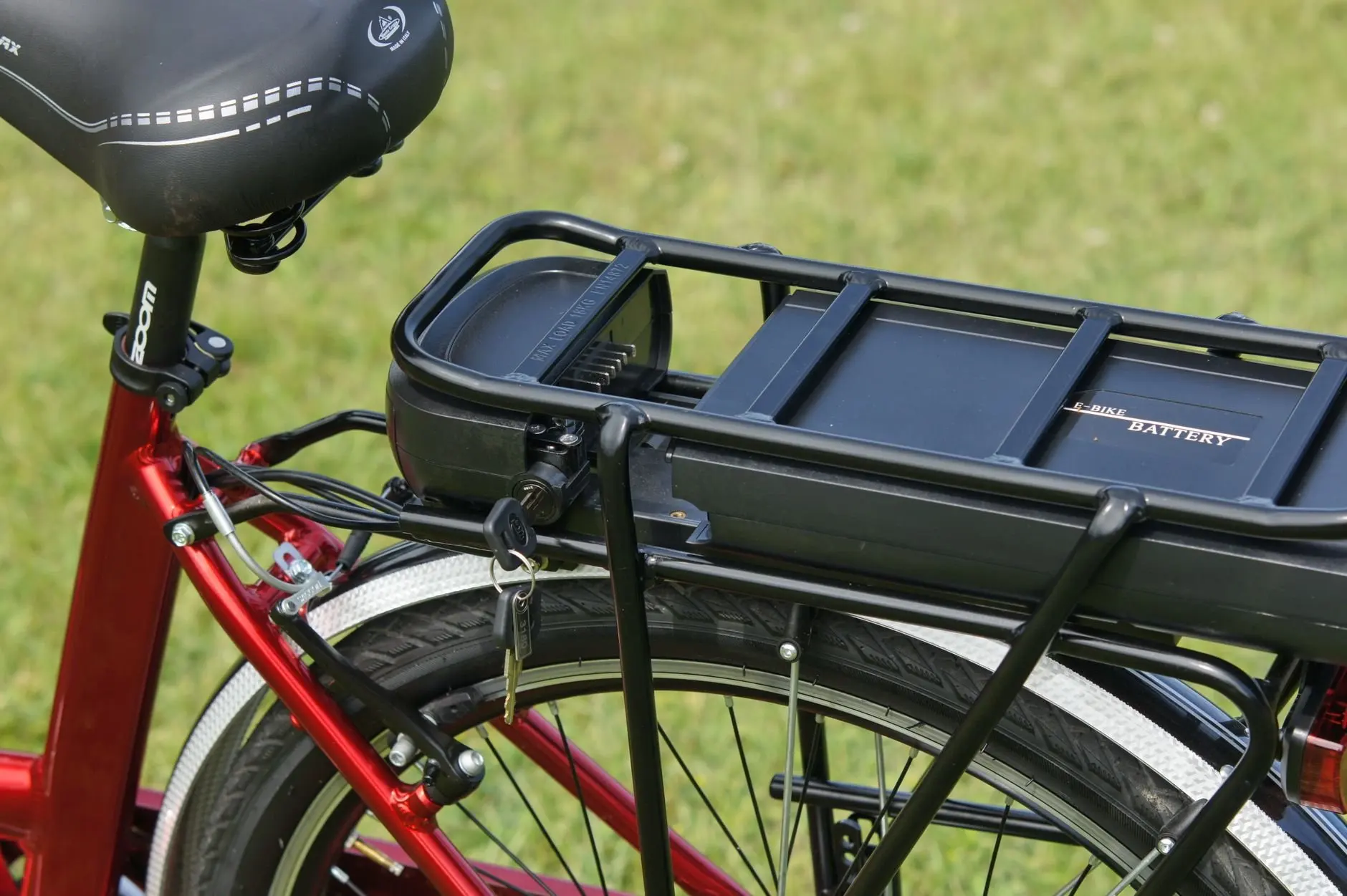
Virtually all modern adult electric scooters use lithium-ion batteries, according to the maker’s battery guide. For light electric vehicle battery packs, it names UL 2271 as the relevant safety standard. That gives you one concrete item to look for when comparing scooters, skateboards and e-bikes: a listing that mentions the standard is easier to trust than one that says nothing about the pack.
The guide also gives a typical lithium-ion lifespan of 2-4 years or 500-1000 full charge cycles. A battery is therefore a consumable part, and a very cheap machine with a hard-to-replace pack may cost more over its life than a dearer one with a swappable pack. For weather, the guide recommends an IPX5 rating or higher for riding in rain. If the spec sheet shows no ingress rating at all, plan to ride only in dry conditions.
Locks for e-bikes and scooters
A lock is protective gear for the machine, and the price of an e-bike makes it the most important one. An e-bike security guide puts typical purchase prices at often $1,500 to $5,000 or more, so a lock is a small share of what it protects. For a wider comparison of products, best bike lock reviews options for city riding.
Which lock is hardest to cut
The toughest locks combine thick hardened steel with an independent security rating. On ratings, the Diamond level of Sold Secure is the maximum and specifically includes testing against angle grinders. The guide cites the LiteLok X3 as a Diamond-rated example with consistently strong performance against grinder attacks. On thickness, thicker is better within each lock type, and the comparison below puts the figures side by side.
| Lock type | Figure or rating | Role | Planning use |
|---|---|---|---|
| U-lock | Shackle at least 14mm thick; 16mm or thicker gives better security | Primary lock | Choose the thicker shackle if the bike is costly or parked often |
| Chain | Links at least 10mm thick, hardened steel | Primary lock or flexible second lock | Suits awkward racks, with link thickness the figure to check |
| Cable lock | Not suitable as primary security | Supplement only | Use only as an add-on, never alone |
| Sold Secure Silver | Minimum for e-bikes valued under $1,500 | Entry rating | Treat as the lowest acceptable tier for cheaper e-bikes |
| Sold Secure Diamond | Tested against angle grinders | Maximum security | Aim for this tier where theft risk is high |
All figures in the table come from the e-bike lock security guide.
The same guide says security experts recommend using at least two different types of locks, with a primary lock on the frame and a secondary lock securing the front wheel. Two types matter because a thief who carries a tool for one type of lock may not carry a tool for the other. A cable lock can be that secondary piece but, as the table shows, should never carry the load alone.
Rules and where to ride
Legal limits differ between states, cities and individual paths, and the right check before a boardwalk ride is the posted rule for that path. Speed limits, where scooters may travel and what age or equipment rules apply are set locally, so buying a machine on its spec sheet alone is a mistake. Read the local rules before choosing a model that depends on being allowed somewhere.
For one state’s detail, electric scooter laws california covers the rules for scooter riders there. E-bike rules often depend on how a bike is categorised by its motor assistance and top assisted speed, and ebike classes explained sets out how those categories are defined. If you intend to ride in traffic as well as on paths, the earlier scooter guidance bears repeating here: gain riding experience before joining traffic.
Conditions on a shared boardwalk also shape which machine is sensible. A crowded promenade rewards a rider who can slow quickly, ring a bell and hold a steady line, which favours the redundancy in braking described earlier over outright speed.
Drift trikes and beach-oriented options
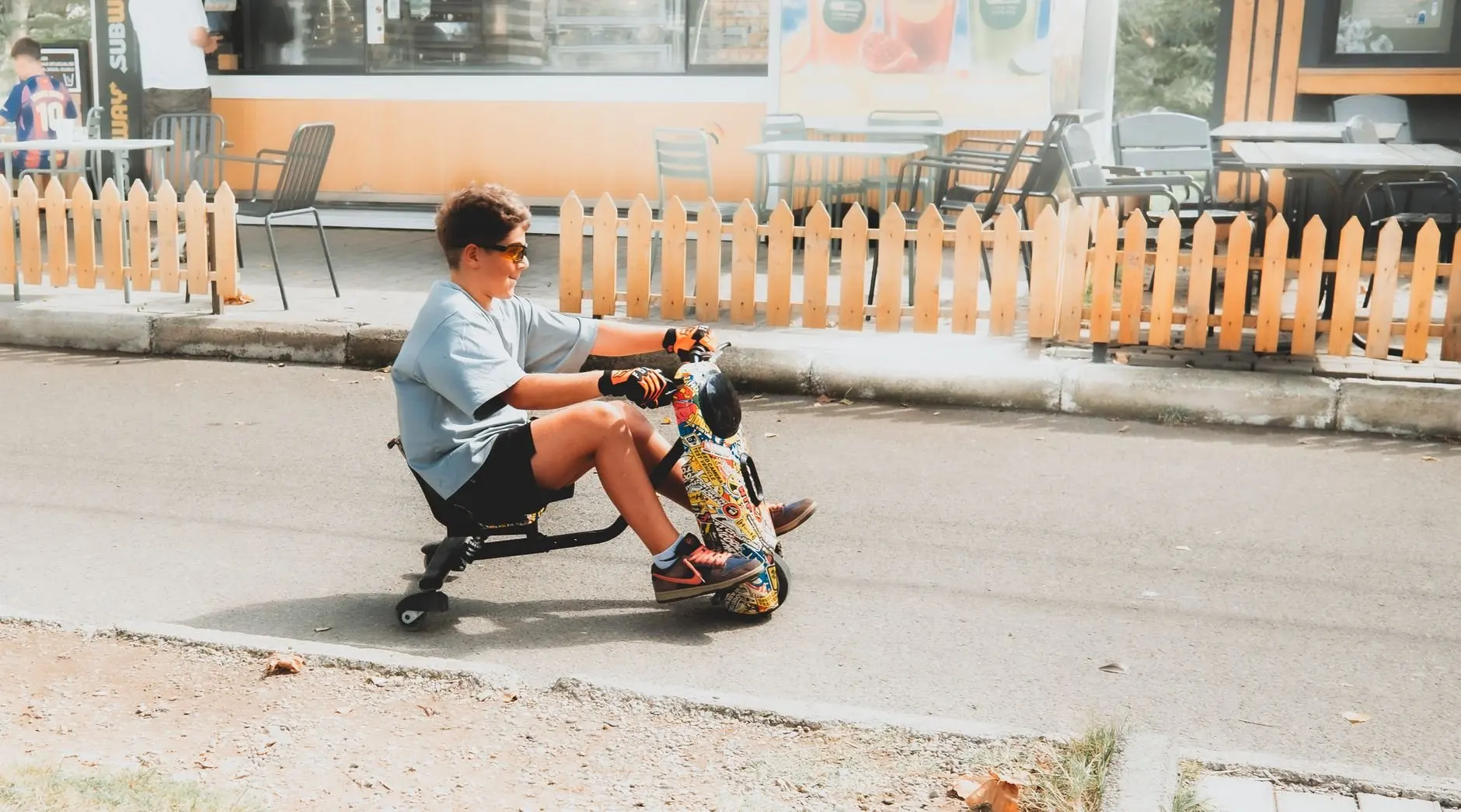
Not every wheeled ride fits the scooter, skateboard or e-bike mould. What is a drift trike explains one niche ride-on format, and the same starting rule applies to it as to everything above: begin with a helmet and add protection as the riding gets more adventurous.
If the plan is relaxed pedalling beside the water, best beach cruiser bikes lists comfortable non-electric options. For sand, best electric fat bikes for beach riding covers motor-assisted models. Weighing the wide-tyre route against an ordinary e-bike is the subject of fat tire ebike pros and cons.
Whichever machine you land on, the shopping order that works is the same. Settle the helmet and pads, confirm lights and brakes, read the watt-hours and safety listing of the battery, and only then think about a lock for the machine you will leave behind.
Frequently asked questions
| Question | Answer |
|---|---|
| How far can an electric scooter go on one charge? | It depends on battery energy. A maker’s battery guide gives a rule of thumb of 1-1.5 miles per 10Wh for a typical adult rider, so compare watt-hours rather than headline range. |
| What safety gear should you wear on an electric skateboard? | A helmet, knee pads and elbow pads, which skate-gear guidance names as the best protection for riding sessions. |
| Which bike lock is hardest to cut? | A Diamond-rated lock offers the maximum security level and is tested against angle grinders. Thick hardened steel adds to that, and a second lock of a different type improves the odds further, according to an e-bike lock guide. |
| Is a standard bike helmet acceptable for a scooter? | Yes, provided it is CPSC-certified, which scooter safety guidance gives as the minimum. Faster machines justify a more protective model. |