Ebike classes explained in one line: Class 1 assists only while you pedal up to 20 mph, Class 2 adds a throttle with a 20 mph cap, and Class 3 assists up to 28 mph. Local rules decide where each may ride.
The class on the label decides access, so read it before you rent or buy. The wheeled gear hub covers the wider kit questions, including what safety gear do you need for electric scooters.
How the three-class system works
The class system sorts electric bicycles by two things: the speed at which the motor stops helping and whether the bike has a throttle. Everything else, from path access to age limits, follows from those two traits. Gazelle’s class guide describes the stages the same way for each class.
- The motor engages. On a Class 1 bike, the motor only engages when you pedal. A Class 2 bike is different, because its throttle lets the rider receive motor help without pedaling.
- The motor reaches its cutoff. Class 1 and Class 2 bikes stop assisting at 20 mph. Class 3 bikes keep assisting up to 28 mph.
- You carry on under your own power. Above the cutoff, the bike keeps rolling but the motor no longer adds speed. A downhill or a tailwind can still carry you faster, so the cutoff limits the motor, not the bike.
Because the cutoff is a motor limit, the class tells you about the bike’s design rather than your riding skill. A rider on a Class 1 bike can feel quick on a flat path and still sit in the most widely accepted category. The next section lays the three classes side by side.
Class 1, 2 and 3 at a glance
| Class | Assist cutoff | Throttle | Typical access | Planning use |
|---|---|---|---|---|
| Class 1 | Motor stops assisting at 20 mph | Pedal assist only; motor engages when you pedal | Legal almost anywhere traditional bikes are ridden | The safest default for shared paths and mixed routes |
| Class 2 | 20 mph top speed | Throttle propels the bike without pedaling | Permitted just about everywhere per WIRED; bike-path access varies by state per Gazelle | Suits riders who want to cruise or start from a stop without pedaling, once local path rules are checked |
| Class 3 | 28 mph pedal-assisted top speed | Pedal-assisted; throttle rules differ by jurisdiction | Typically prohibited on greenways, paths and in parks | Best for road and commuter riding; confirm where it may go before choosing it for leisure rides |
The speeds and access patterns above come from Gazelle’s class guide and WIRED’s guide to e-bike classes.
The table shows why the same speed number does not mean the same access. Class 1 and Class 2 share a 20 mph cutoff but differ on the throttle, and that single difference is what most path rules respond to.
Throttle versus pedal assist
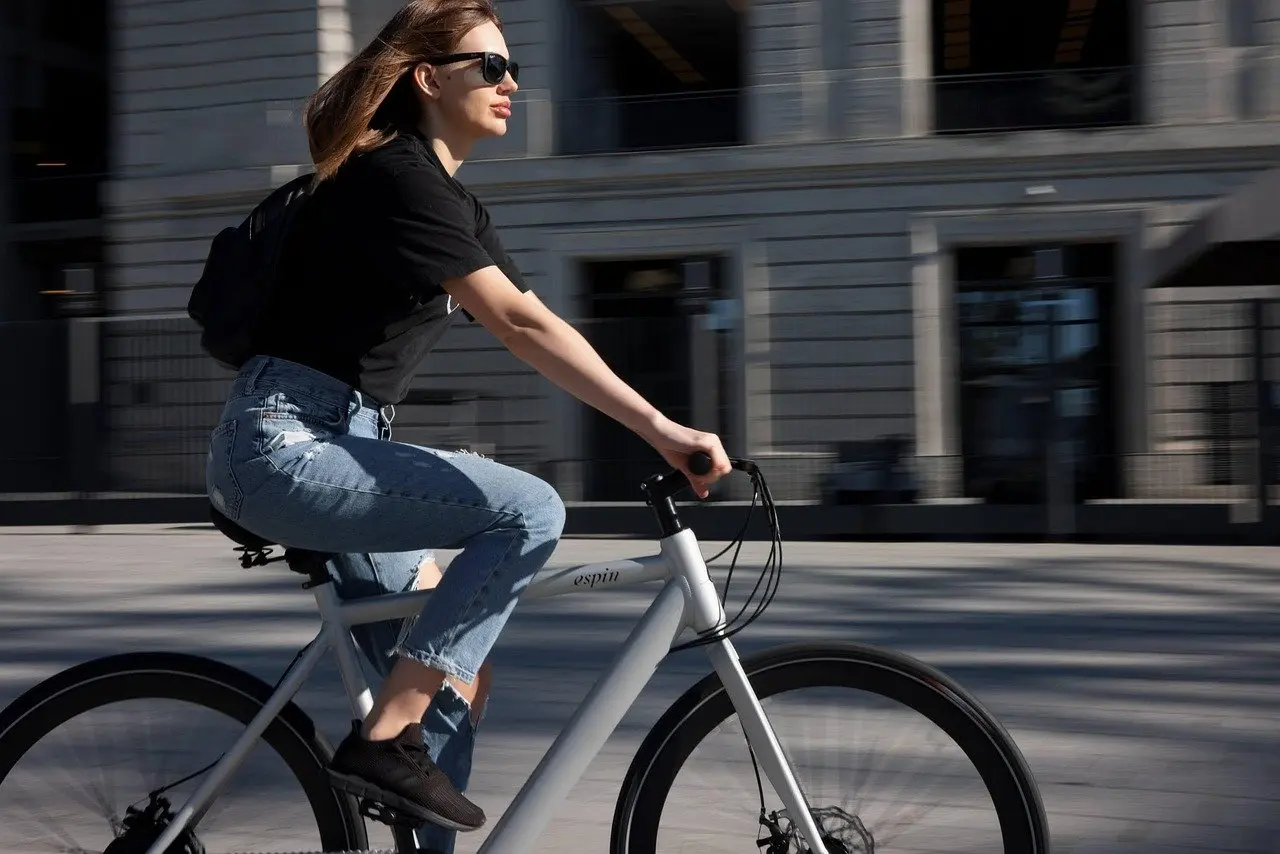
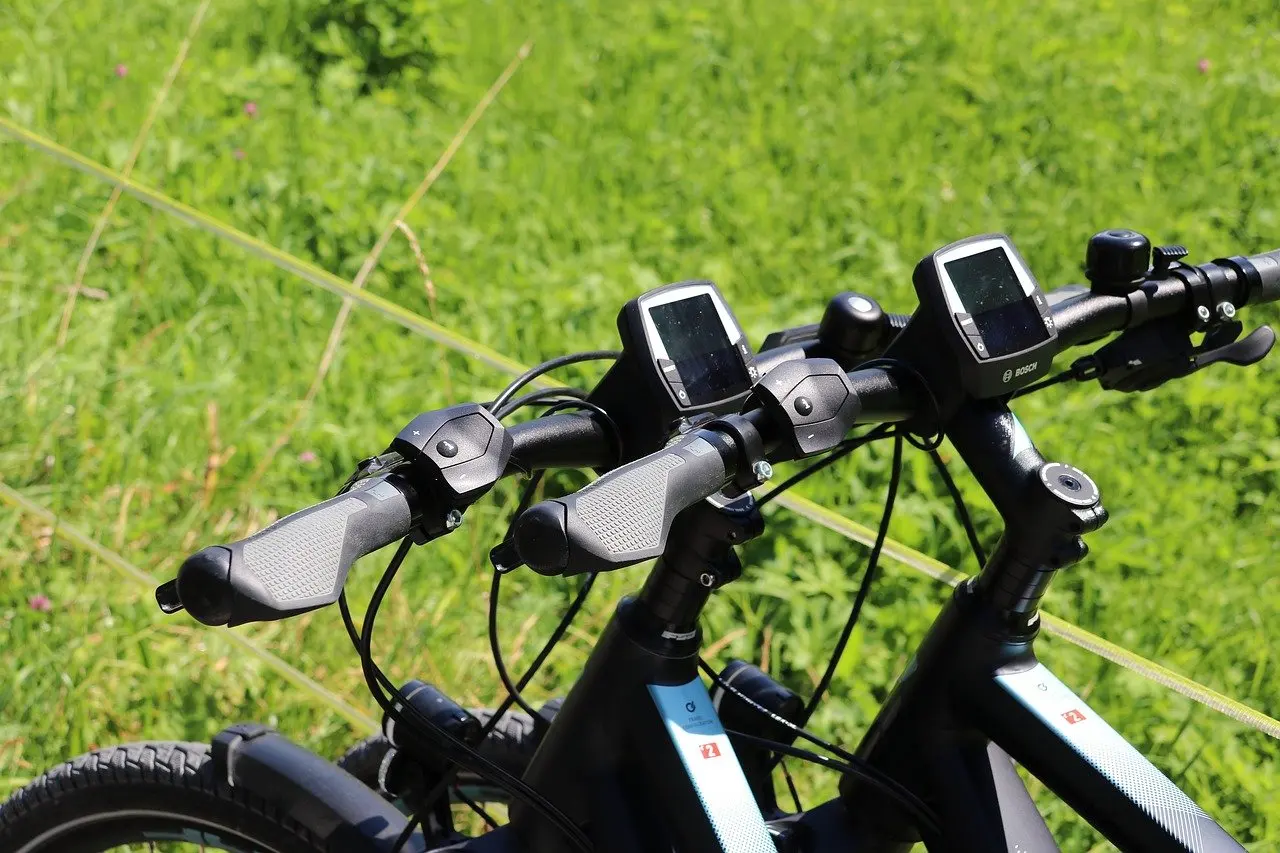
Pedal assist adds motor power only while the rider pedals, and a throttle adds it on demand. WIRED puts the pedal-assist rule plainly: a rider has to be powering the bike’s pedals for the electric motor to kick in. Gazelle says Class 2 bikes are throttle-powered, so a rider does not have to pedal to receive assistance.

For the rider, this is a difference in feel and in effort. Pedal assist rewards steady pedaling and keeps the bike behaving like a bicycle with extra help. A throttle works more like a scooter or moped control, which is why path managers and trail rules often treat it more cautiously.
Choosing between the two
- Pedal assist suits riders who want the broadest access and a bicycle-like ride, since Class 1 is the class that is legal almost anywhere traditional bikes are ridden.
- A throttle suits riders who value starting from a standstill or resting their legs on a flat stretch, provided the paths on their route allow Class 2.
- Class 3 and throttles are a case of local variation: some jurisdictions allow a throttle that provides power up to 20 mph on these bikes, according to Himiway’s explanation of the class system. Where that is not the case, a Class 3 bike is pedal-assist only.
Where each class can ride
Access is the practical reason the classes matter. Class 1 bikes have the widest welcome, Class 2 bikes depend on local path rules, and Class 3 bikes face the most limits. A rider choosing an e-bike for a coastal path or boardwalk route should treat posted local rules as the final word and the class as a guide to what is likely.
Class 1
WIRED says that in most places a Class 1 e-bike is legal to ride just about anywhere a traditional bike goes. That makes it the simplest choice for mixed routes of streets, shared paths and bike lanes.
Class 2
WIRED describes Class 2 bikes as permitted just about everywhere, but Gazelle’s summary marks bike-path access as varying by state. These two statements fit together as a general pattern with local exceptions. Natural-surface trails need extra care: Himiway notes that Class 2 bikes are frequently more restricted than Class 1 because of the throttle.
Class 3
WIRED says Class 3 bikes are typically prohibited on greenways, paths and in parks. A Class 3 bike therefore suits road-based commuting far better than a relaxed ride along a shared beachfront or park path.
Boardwalks and promenades are often governed by their own signs or local ordinances, so a class-based answer is a starting point and not a permission. If a sign names a class, follow it. If it says nothing, the more conservative Class 1 profile is the safer fit.
Age, helmet and licence rules that attach to a class
Class 3 is the class most likely to carry extra rules. Himiway notes that many U.S. states set a minimum age for Class 3 riders, commonly 16 years old, and that the age varies by state.
Helmet requirements differ by state and locality, and the higher assist speed of a Class 3 bike is a good reason to wear one whatever the law says. The guide to best bike helmets covers how to choose one.
Whether a rider needs a licence or registration is also a state and local question. The class a bike belongs to is the first thing to confirm before asking a state motor vehicle agency or a local authority what applies.
Motor wattage and what labels show
Motor wattage describes the motor’s power, and it is not what defines the U.S. classes, which are described by assist speed and throttle behaviour. Wattage matters more in other regions. Himiway notes that the European pedelec standard is limited to 250 watts of continuous rated power and assistance up to 25 km/h.
That difference explains why a bike imported from Europe and a bike sold for the U.S. market can both be called e-bikes yet follow different limits. A label or spec sheet should show the class, the motor rating and the assisted top speed together. If any of those are missing from a bike you are about to rent or buy, ask the seller before you ride, since the class decides where the bike may go.
Choosing a class
Pick the class by the routes you will actually ride. Most visitors and casual riders are best served by Class 1, because it carries the fewest access questions. Choose Class 2 if you want a throttle and have confirmed that the paths on your route allow it. Choose Class 3 for roads and commuting, and only if you are old enough under local rules.
If the choice is between a bike and a different kind of electric vehicle, the comparison of electric bike vs electric scooter weighs the two on practical points.
Frequently asked questions
Do you need a licence for an ebike?
The class system keeps a bike inside the e-bike category, and WIRED says that if a machine’s motor can exceed 28 mph it is not an e-bike, and that above 30 mph it is a motorcycle. Within the classes, licence and registration depend on state and local law, so check with the state agency before riding.
Can a Class 1 e-bike have a throttle?
Some can. WIRED says a handgrip or thumb throttle on such a bike can only be activated when the rider is pedaling, which keeps it consistent with pedal-assist-only behaviour.
Does a throttle use more battery than pedal assist?
Himiway says frequent throttle use generally drains the battery faster, so pedal assist is the better choice for longer rides.
Are Class 2 e-bikes allowed on natural-surface trails?
Often with more limits than Class 1. Himiway says Class 2 bikes are frequently more restricted on trails because of the throttle, so check the trail’s posted rules first.