
| Situation | Helmet | Standout feature | Planning use |
|---|---|---|---|
| Warm, sunny or rainy commutes | Bell Daily | 14 air vents, integrated visor, Ergo Fit system | Suits riders who want airflow and eye cover on everyday trips |
| Warm commutes with a lower vent count | Giro Caden MIPS | 12 air vents, Roc Loc City fit system | Suits riders who want ventilation plus rotational protection |
| Riding in low light | Nutcase | 360-degree LED light system | Suits riders who want lighting built into the helmet |
| Riding in low light | Thousand Chapter | Magnetic light that attaches to the back | Suits riders who want a detachable rear light |
| Rotational impact protection | POC with SPIN | POC’s version of MIPS | Suits riders who prefer a non-MIPS rotational system |
Helmet features are summarised from a commuter and e-bike helmet buying guide, which describes each model’s fit, venting and lighting.
The best bike helmets for adults depend on how and where you ride: ventilation and a visor for warm commutes, lights for dark streets, rotational protection if wanted, and a fit that stays put.
The picks below are grouped by situation rather than ranked, because a helmet that suits a hot daily commute can be the wrong choice for a rider who mostly cycles after dark. Scooter riders asking what safety gear do you need for electric scooters will find the wider kit list in the wheeled gear hub.
Warm-weather and wet commutes
Ventilation is the first thing to check for riders commuting in warmer weather, according to the buying guide. A sweaty helmet tends to be one that gets left at home, so airflow is a practical safety feature as well as a comfort one.
Bell Daily
The Bell Daily has 14 air vents for airflow and an integrated visor that shields the eyes from sun and rain. It also includes an Ergo Fit system for easy adjustments and comfortable wear.
It suits riders who cover the same route in all weather and want one helmet for it. The limit is that the supplied description lists no rotational protection system, so riders who want that should look at the options further down.
Giro Caden MIPS as the alternative
The Giro Caden has 12 air vents, two fewer than the Bell Daily, so it gives up a little airflow. In exchange it adds MIPS, covered in the rotational protection section below. Riders who run hot should compare the two on the head rather than on vent count alone, since the guide only gives the counts and not how each helmet performs in heat.
Riding in low light
A helmet sits at the highest point of a rider, which makes it a sensible place for lighting. Two commuter options take different approaches, and the choice comes down to whether you want lights permanently built in or a rear light you can remove.
Nutcase with 360-degree LED lighting
The Nutcase helmet has a 360-degree LED light system, which the guide says ensures the rider is seen from all angles. It suits riders on unlit or mixed-traffic streets who would rather not manage separate lights. The trade-off is that integrated lighting ties visibility to the helmet, so a rider who swaps helmets between bikes should not assume the lights travel with them.
Thousand Chapter with a magnetic rear light
The Thousand Chapter helmet comes with a magnetic light that attaches to the back for added visibility. It suits riders who prefer a simple, removable light and want to take it off when parking the helmet. It covers the rear only, so it does not replace a front light on the bike.
Rotational impact protection
Some riders want protection aimed at rotational forces, meaning the twisting loads an angled impact can put on the head. Two systems appear in the commuter guide, and both are described as responses to those forces.
Giro Caden MIPS
The Giro Caden includes MIPS technology to protect against rotational forces in the event of an impact. Its Roc Loc City fit system provides a customizable and secure fit, so the helmet pairs rotational protection with an adjustable retention system. It suits commuters who want both in one helmet.
POC with SPIN
POC’s helmet uses SPIN technology, which the guide describes as POC’s version of MIPS, to reduce the effects of rotational impacts. It suits riders who like the brand or find its shape comfortable. Because SPIN and MIPS are presented as equivalent in purpose, the choice between them is better made on comfort than on the system name.
Is a MIPS helmet worth it?
MIPS is worth considering when it comes at little extra cost and the helmet fits well, because it is designed to address rotational forces that a plain helmet is not described as addressing. The supplied evidence is a manufacturer-style description of what the technology is meant to do, not an independent laboratory result, so it supports MIPS as a sensible extra rather than a guarantee.
A well-fitting helmet without MIPS is still a better choice than a poorly fitting one with it. The guide notes that proper fit is what keeps a helmet in place during a fall, and a helmet that moves on the head cannot do its job whatever technology it contains.
E-bike and scooter riders
Helmets designed for bicycles are suitable for electric bikes as well, according to the guide, so an adult e-bike rider does not necessarily need a separate category of helmet. Anyone still deciding which machine to buy can sort out the categories in ebike classes explained before choosing protective gear.
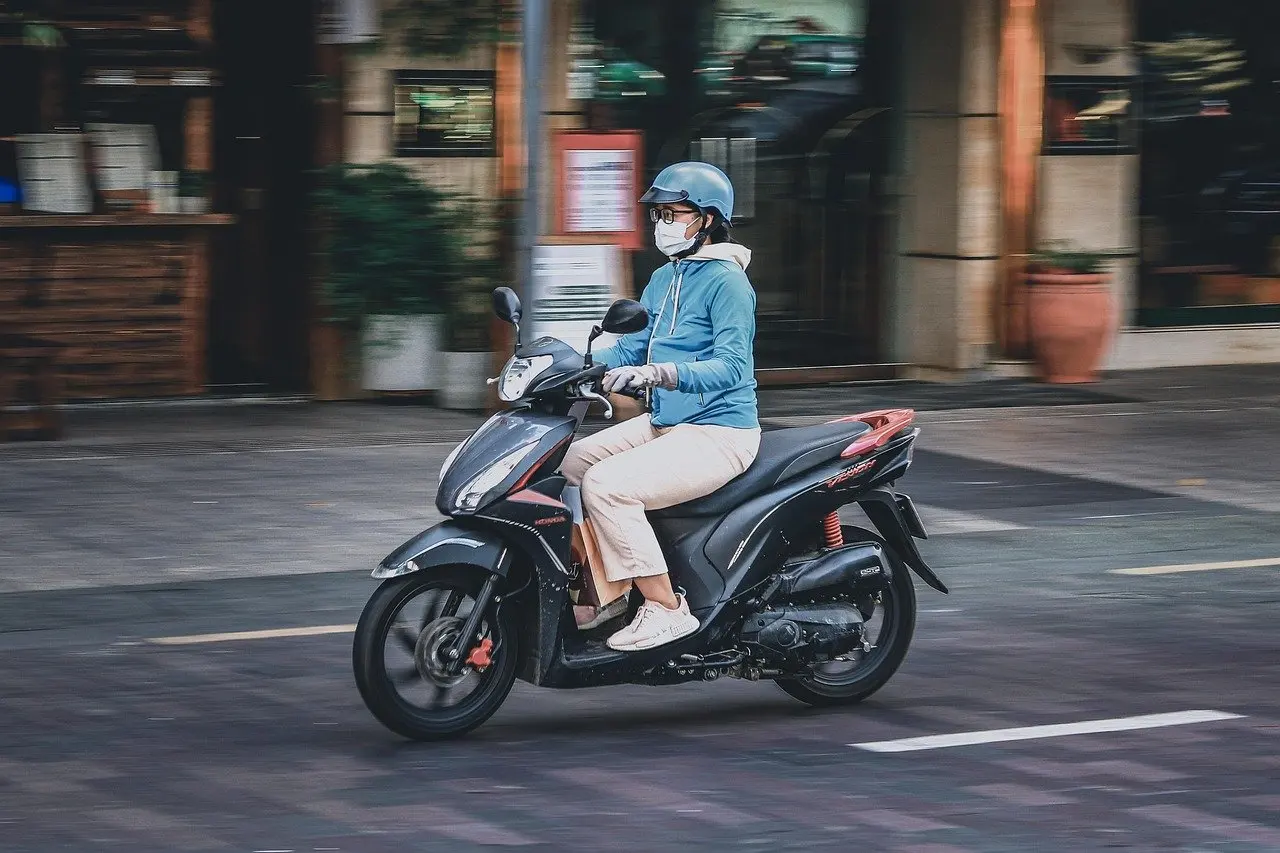
Scooter riders face a different gear question, and the wheeled gear hub covers it in more detail. The helmet picks above are described for bicycles and e-bikes, so check what a given model is designed for before using it on a scooter.

Getting the fit right
A proper fit ensures the helmet stays in place during a fall. That makes fit the deciding factor between two helmets that otherwise look alike, and it is worth more than any single feature in the table.
Retention system and straps
The retention system is the adjustment mechanism that holds the helmet on the head. The Giro Caden uses the Roc Loc City fit system and the Bell Daily uses the Ergo Fit system, and both are described as adjustable. Look for adjustable straps, since a helmet that cannot be tuned to the head and chin will shift on rough surfaces.
Padding and comfort
Padding that molds to the head adds comfort, which matters on longer rides where an irritating helmet tends to get adjusted badly or skipped. A rider who has to choose between a helmet that is comfortable in the shop and one that has more features should favour the comfortable one, since the guide ties fit directly to staying in place in a fall.

When to replace a bike helmet
A helmet is recommended for replacement every 3-5 years or after a significant impact, according to the same buying guide. Treat the 3-5 year range as a planning window rather than a fixed expiry: a helmet used daily, stored badly or knocked around in a bag is a candidate at the earlier end.
- After a significant impact: replace the helmet even if it looks undamaged from the outside, since the guidance ties replacement to impact and not only to visible damage.
- When you find damage: check regularly for cracks or damage, and retire any helmet that shows them.
- If it lives in the sun: avoid leaving the helmet in direct sunlight for long periods, as UV rays can weaken the materials. A helmet that sits on a sunny parcel shelf is ageing faster than one kept indoors.
Frequently asked questions
| Question | Answer |
|---|---|
| Is wearing a bike helmet a legal requirement? | In many places it is the law, but rules differ by region, so check the requirements where you ride before choosing a helmet. |
| What makes a commuter helmet easy to live with? | Look for lightweight options that are easy to carry, since a commuter helmet is picked up and put down at both ends of every trip. |
| Do bright colours help? | Helmets in bright colours or with reflective materials increase visibility, especially in low-light conditions. |