
Quick answer: Under electric scooter laws California riders must be at least 16, stay off sidewalks unless they have a mobility disability, and follow traffic rules written for motorized vehicles. Bike paths and bike lanes are the intended places to ride.
Those three points decide most routes and most purchases. Riders still choosing equipment can read what safety gear do you need for electric scooters in the wider hub on wheeled gear.
How to decide whether and where you can ride
Three questions settle most California scooter decisions: how old the rider is, what kind of surface the route uses, and which traffic rules apply there. Work through them in that order, because age is a hard stop and the other two only shape the route.
- Age comes first. A rider under 16 cannot lawfully use a motorized scooter on public roads, bike paths or sidewalks, so no route planning will fix that.
- Surface comes second. Sidewalks are off the table for most riders. Bike paths and bike lanes are the places the rules point scooter riders toward.
- Traffic rules come third. A scooter is treated as a motorized vehicle, so the ordinary rules of the road apply on the street, and bicycle-style rules apply in a bike lane.
The sections below take each point in turn, then cover Los Angeles and beach-area riding and a short troubleshooting list.
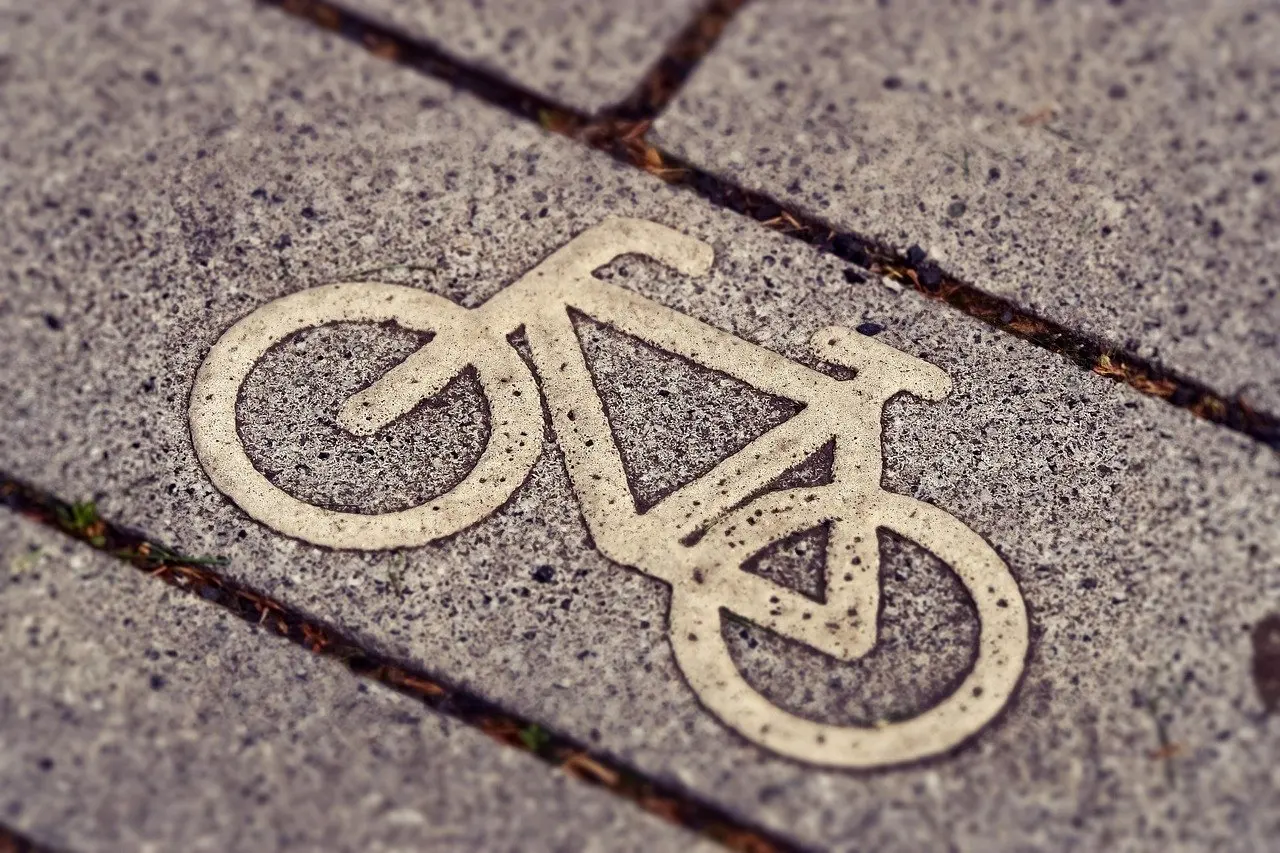
California Vehicle Code 21235 at a glance
California Vehicle Code 21235 is the section that sets out the main operating rules for motorized scooters, including the age rule at subsection (d). The table turns the supported requirements into planning decisions.
| Situation | What the rule says | Planning use |
|---|---|---|
| Rider under 16 | Illegal to operate a motorized scooter on public roads, bike paths and sidewalks | Do not plan any public-way ride; wait until the rider reaches 16 |
| Rider aged 16 or older | Minimum age to ride on public roads is met | Age is cleared; route and traffic rules still apply |
| Sidewalk | Electric scooters are not allowed on sidewalks | Choose a route that does not depend on sidewalk shortcuts |
| Bike path, trail or bikeway | Scooters can be ridden on bicycle paths | Prefer these where they connect your start and end points |
| Bike lane | Same traffic laws as bicyclists apply | Ride predictably, in the direction of travel, as a cyclist would |
| General roadway | Scooters are motorized vehicles under the same traffic laws | Treat signals, signs and right-of-way as you would in any vehicle |
The figures and requirements come from a legal explainer on teens and motorized scooters and a California electric scooter law guide.
Age limit for electric scooter riders
The electric scooter age limit in California is 16. A legal explainer on motorized scooter laws for teens states that it is illegal for anyone under the age of 16 to operate a motorized scooter under CVC 21235(d). A separate California scooter guide gives the same minimum, saying riders must be at least 16 years old to ride on public roads.
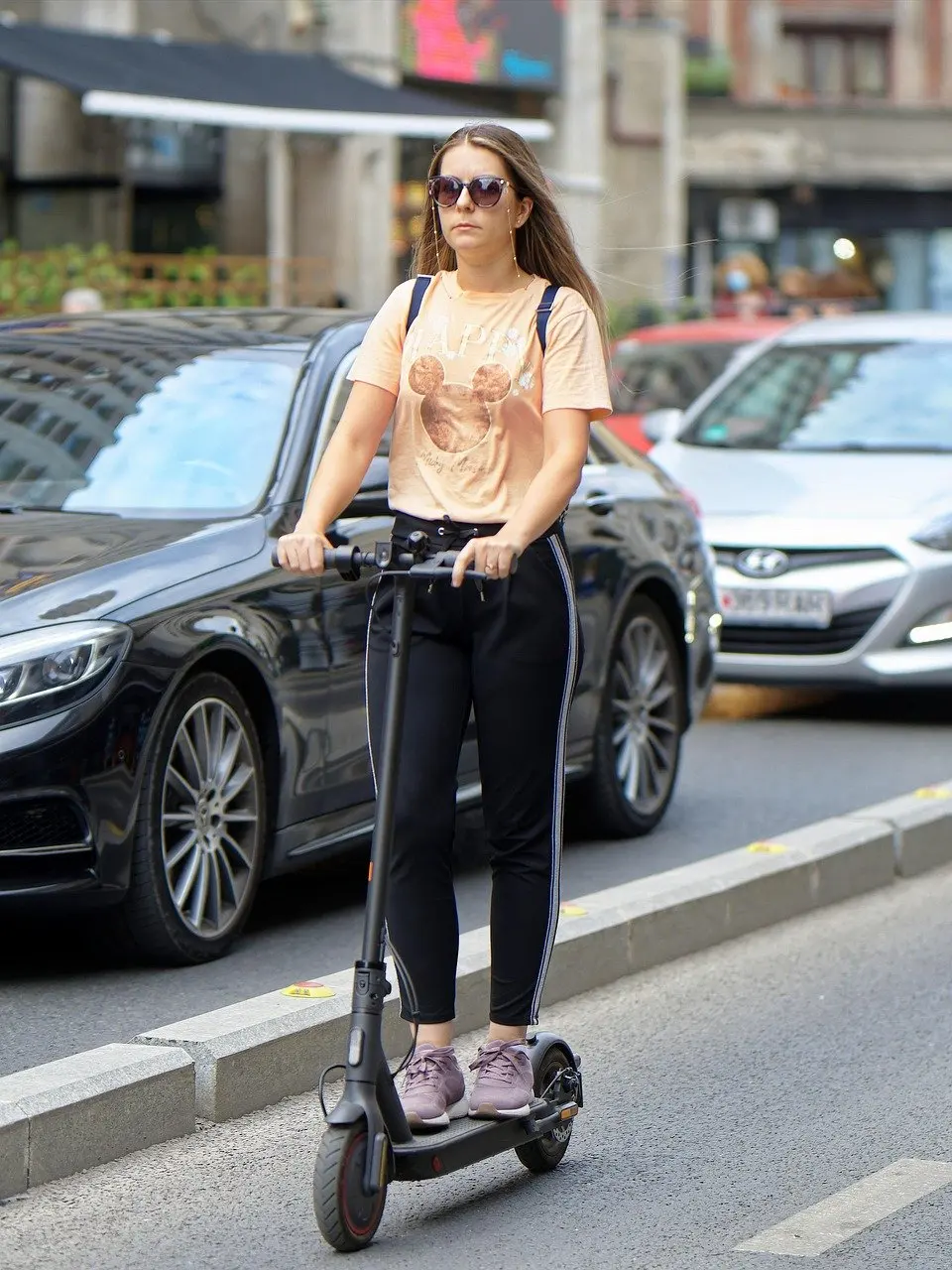
For parents, the practical reading is simple. A younger child cannot use a motorized scooter on a street, a bike path or a sidewalk, so buying one for a rider under 16 and sending them to the neighbourhood bike lane is not a workable plan. The age rule also covers the paths that otherwise seem the safest choice, which is why checking age before looking at routes saves the most trouble.

For a rider who has just reached 16, the age condition is met, but nothing else is waived. Route choice and traffic rules, covered next, still shape every trip.
Bike lanes and bike paths
Bike lanes and bike paths are where California scooter riders are expected to be when they are off the general roadway. The California scooter guide says electric scooters can only be ridden on bicycle paths rather than sidewalks, and that in a bike lane riders must follow the same traffic laws as bicyclists.
That second point is the one riders most often overlook. A bike lane is not a free-for-all zone. Riding there means behaving like a cyclist: keep to the lane, ride in the direction of traffic, stop where cyclists would stop and signal intentions. A scooter that is faster than most bicycles still has to fit that pattern rather than weave around it.
When a route offers a choice between a bike path and a busy street, the path is usually the better pick for new riders. It keeps the rider in the space designed for lighter, slower vehicles and removes the need to manage motor traffic. The trade-off is directness: paths do not always go where the shortest road does.
Sidewalks and the mobility disability exception
Sidewalks are prohibited for motorized scooters under CVC 21235 unless the scooter is operated by a person with a mobility disability. That wording comes from a Santa Monica sidewalk-rules explainer, and the California scooter guide likewise says scooters are not allowed on sidewalks.
For most riders the decision is therefore clear. A sidewalk is not a fallback when a road feels busy or a bike lane ends. If a route only works by cutting along the sidewalk, the route needs to change, or the last stretch needs to be walked with the scooter folded or pushed rather than ridden.
The one named exception applies to a person with a mobility disability. It is a narrow carve-out, not a general permission, and it does not extend to riders who simply prefer the sidewalk.
Traffic rules, speed and licensing questions
On the street, an electric scooter counts as a motorized vehicle. The California scooter guide states that electric scooters are considered motorized vehicles and are subject to the same traffic laws. That framing answers most day-to-day questions: signals, stop signs, right-of-way and lane position are not optional extras for scooter riders.
Speed
A scooter’s top speed is a product feature, not a legal entitlement. Because the same traffic laws as motor vehicles apply, the safe approach is to ride at a speed that suits the road, the traffic and the posted rules, and to slow down in shared spaces such as busy bike lanes. A faster scooter is not an advantage in a lane where bicycle rules apply.
Licensing
The clearest entry requirement in the supported rules is age. Because scooters are classed as motorized vehicles, anyone unsure about licence or registration obligations for a particular model should confirm them with the California DMV before buying or riding.
Helmets and protective gear
Helmet rules vary by rider and situation, and the safest default is to wear one on every ride regardless of the minimum riding age. A rider who meets the age rule and follows bicycle-style behaviour in lanes is still exposed to motor traffic on the road.
Gear choices such as helmets, pads and lights are a separate decision from the legal ones above. The wheeled gear hub is the place to compare them, and it covers more than scooters alone.
Riding in Los Angeles and near the beach
Los Angeles riders work from the same state-level rules: 16 as the minimum age, bike paths and bike lanes as the places to ride, and sidewalks off limits for most riders. Individual cities and path operators can post their own signs, so a coastal bike path should be treated as legal only where signage and local rules allow scooters, not assumed from the surface alone.
For a beach-area ride, plan the route around continuous bike paths and bike lanes rather than relying on sidewalk connections between them. If a ride includes soft sand or loose surfaces, a scooter may not be the right tool at all. Readers weighing that choice can compare fat tire ebike pros and cons, or browse the best electric fat bikes for beach riding if a bike suits the route better.
Troubleshooting common situations
- The bike lane ends mid-route. Rejoin the roadway following ordinary traffic rules for a motorized vehicle, or dismount and walk the gap. Riding onto the sidewalk is not the answer for most riders.
- Waiting until age 16 is the only compliant option on public ways.
- The route is only a sidewalk. Find an alternative on a bike path or street, or walk the scooter. The sidewalk exception covers riders with a mobility disability only.
- A bike lane is crowded. Follow the same traffic laws as bicyclists and match the pace of the lane instead of overtaking aggressively.
- Unsure about licence or registration. Ask the California DMV about the specific scooter model before riding it on public roads.
Frequently asked questions
What is the age limit for electric scooters in California?
Riders must be at least 16. Operating a motorized scooter under that age is illegal on public roads, bike paths and sidewalks.
Can you ride an electric scooter on the sidewalk in California?
Generally no. Motorized scooters are prohibited on sidewalks unless operated by a person with a mobility disability.
Do you need a license for an electric scooter in California?
Scooters are treated as motorized vehicles, so licence and registration questions are best confirmed with the California DMV for the specific model before riding.
Which rules apply in a bike lane?
Scooter riders follow the same traffic laws as bicyclists in a bike lane, including riding predictably and obeying signs and signals.
Is there a different speed limit for electric scooters?
Scooters are subject to the same traffic laws as motor vehicles on the road, so riders should keep to the speed that suits the street and posted rules rather than the scooter’s top speed.