| Item | Typical value | Planning use |
|---|---|---|
| Fat tire width | 4 inches or wider | Confirm the rental’s tires meet this before counting on it for soft sand. |
| Example sand-capable tire | 20 x 4.5-inch all-terrain | Gives a reference point for what an electric model built for sand, asphalt and forest trails can look like. |
| Pressure on loose surfaces | 5–12 PSI (dirt and loose gravel) | The closest published band for loose ground, so a starting point for soft sand rather than a fixed rule. |
| Battery size | 500 Wh | A solid base for daily rides, so a useful yardstick when comparing rental listings. |
| Realistic range | 40 to over 100 km | Depends on model and usage, so match the bike to the length of the planned route. |
The figures above come from a fat-tire e-bike buyers’ guide and a fat-tire e-bike comparison.
An electric fat bike rental is a practical way to ride soft sand, provided the tires are wide, the pressure is lowered for loose surfaces and the beach rules allow bikes on the sand.
Riders still deciding between bike types can start with the overview of bike rentals venice beach and then use this guide to judge fat tires, weight and pressure.
Choosing the bike before you book
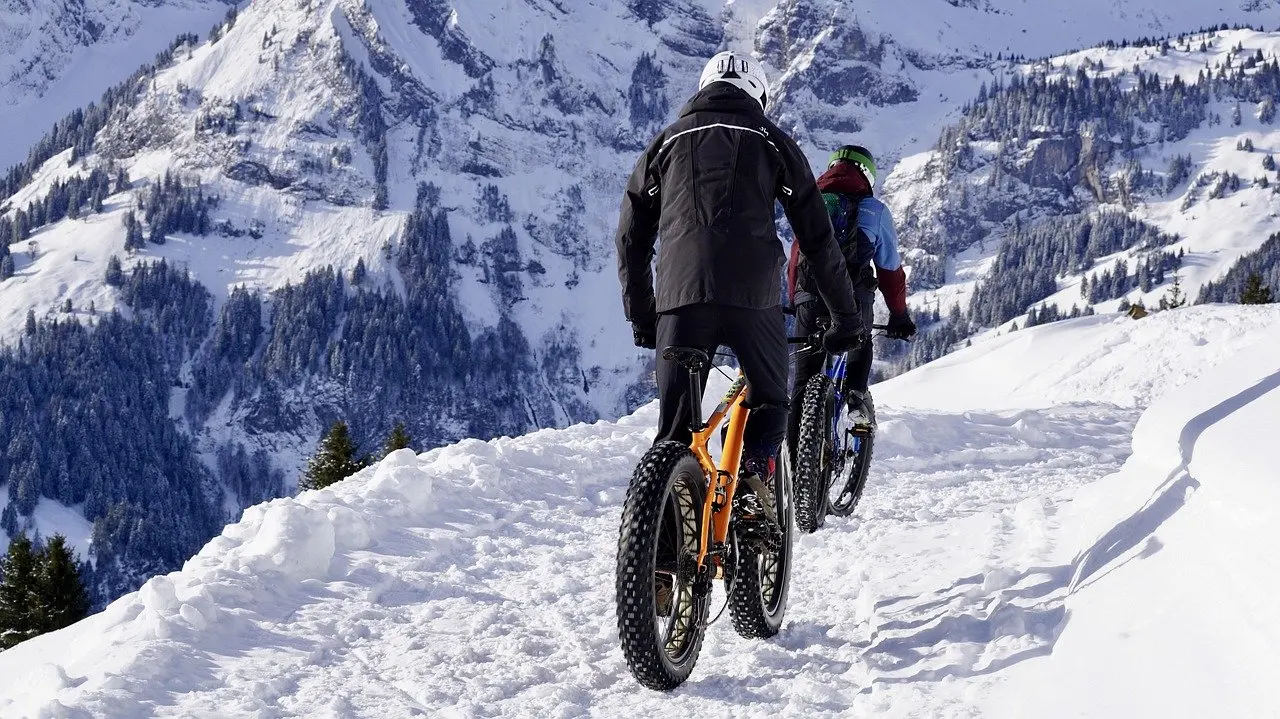
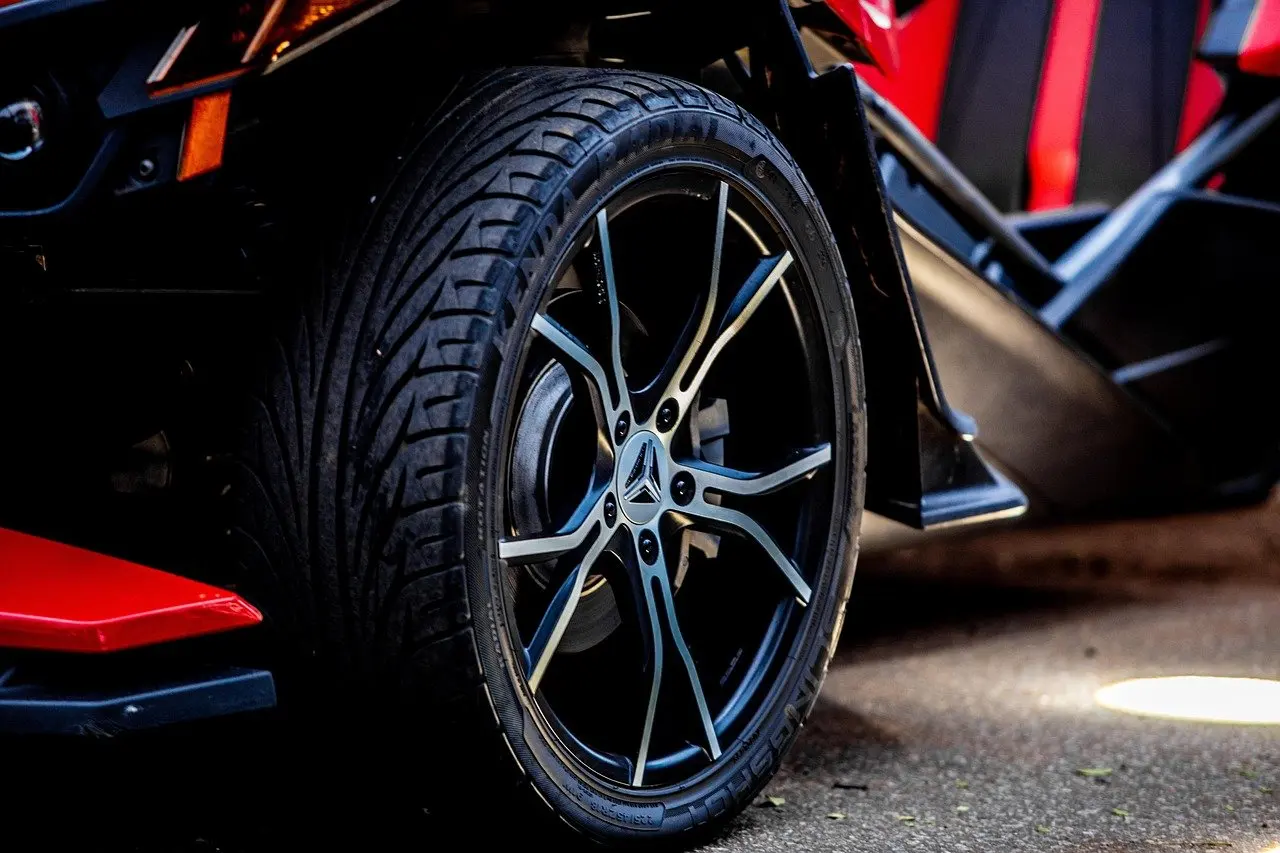
An e-bike with fat tires, typically 4 inches or wider, is known as a fat bike, and those tires offer cushioning and traction on loose surfaces such as sand, snow and gravel. That is the reason to pick one for a beach path: the wide contact patch is built for ground that gives way.
Tire width and construction
Width is the first thing to check on a rental listing. A model with 20 x 4.5-inch all-terrain tires is described in the same buyers’ guide as suited to asphalt, sand and forest trails, which is the mix a beach route usually involves. Electric bikes also need wider, thicker and more puncture-resistant tires than standard bicycles, so a genuine fat-tire electric model should not be a compromise on durability.
Motor, battery and weight
Electric bicycles carry extra weight from high-capacity batteries and powerful hub motors. A hub motor is low-maintenance, but the additional weight in the wheel can affect handling. Because exact weights depend on the model, ask the rental shop for the listed weight of the bike being booked, especially if it has to be lifted onto a rack or carried over a boardwalk step.
At pickup: setting tire pressure
For soft sand, aim for the low end of the loose-surface band, because fat tires operate at much lower pressures than road bikes, which run at 80-120 PSI. The same comparison lists 5–12 PSI for off-road riding on dirt and loose gravel. Sand is not named in that band, so treat it as a starting range and defer to any pressure marked on the tire or advised by the shop.
Adjusting pressure by just a few PSI can dramatically change the bike’s handling and efficiency, so change it in small steps.
- Read the tire marking. Check the sidewall and the listing so the size matches what was booked.
- Measure before leaving the shop. Use a gauge rather than guessing by squeezing the tire.
- Match the first leg of the route. If the path to the sand is paved, the guide lists 12–20 PSI for mostly pavement and 8–15 PSI for mixed pavement and gravel surfaces.
- Lower the pressure at the sand’s edge. Move toward the 5–12 PSI loose-surface band, a little at a time, and ride a short stretch to judge the feel.
- Raise it again for long paved sections. Over-inflating fat tires for pavement use results in a harsh, bouncy ride.

Riding on sand
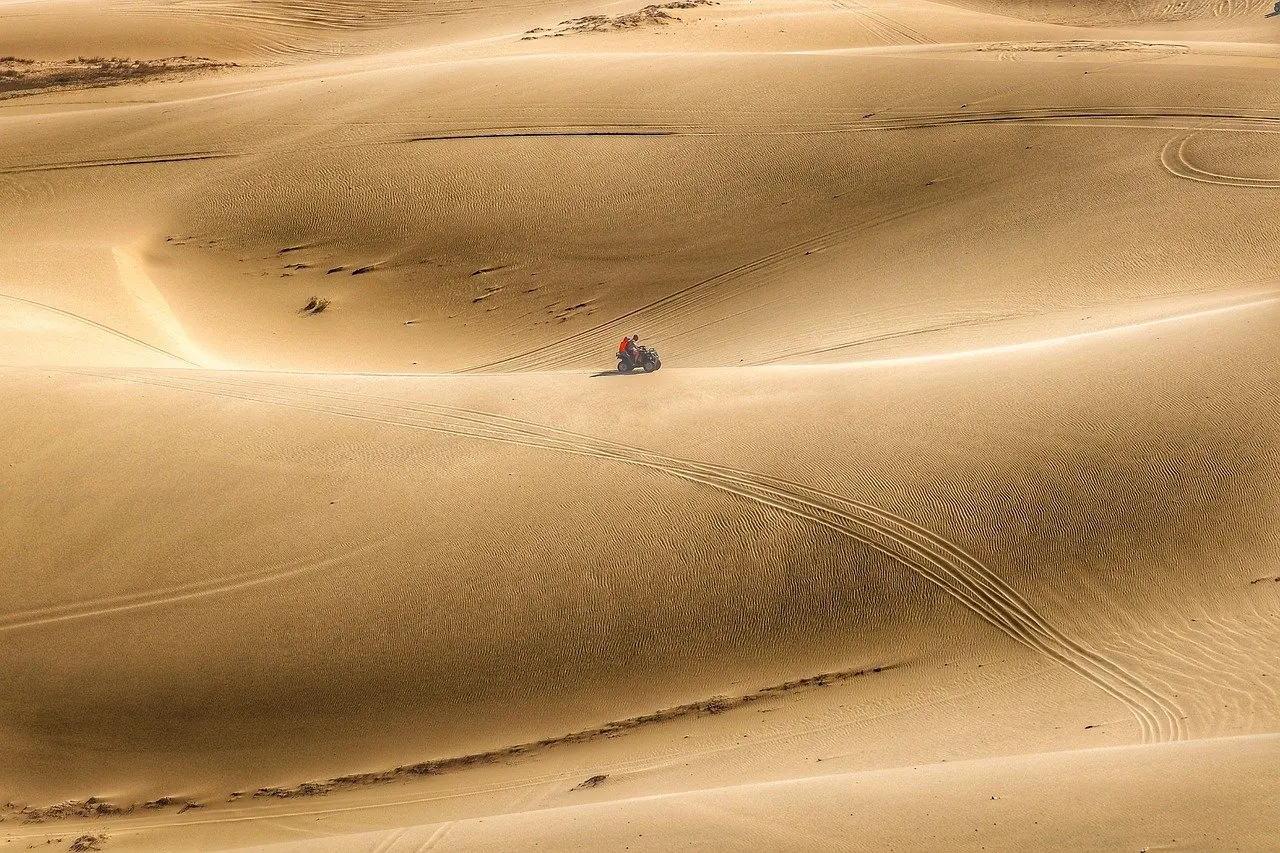
Yes, an electric fat bike can be ridden on sand. Wide fat tires are designed to deliver maximum stability, shock absorption and traction across sand, snow and dirt trails, and pedal assist covers the extra effort that loose ground demands.
Fat bike versus cruiser
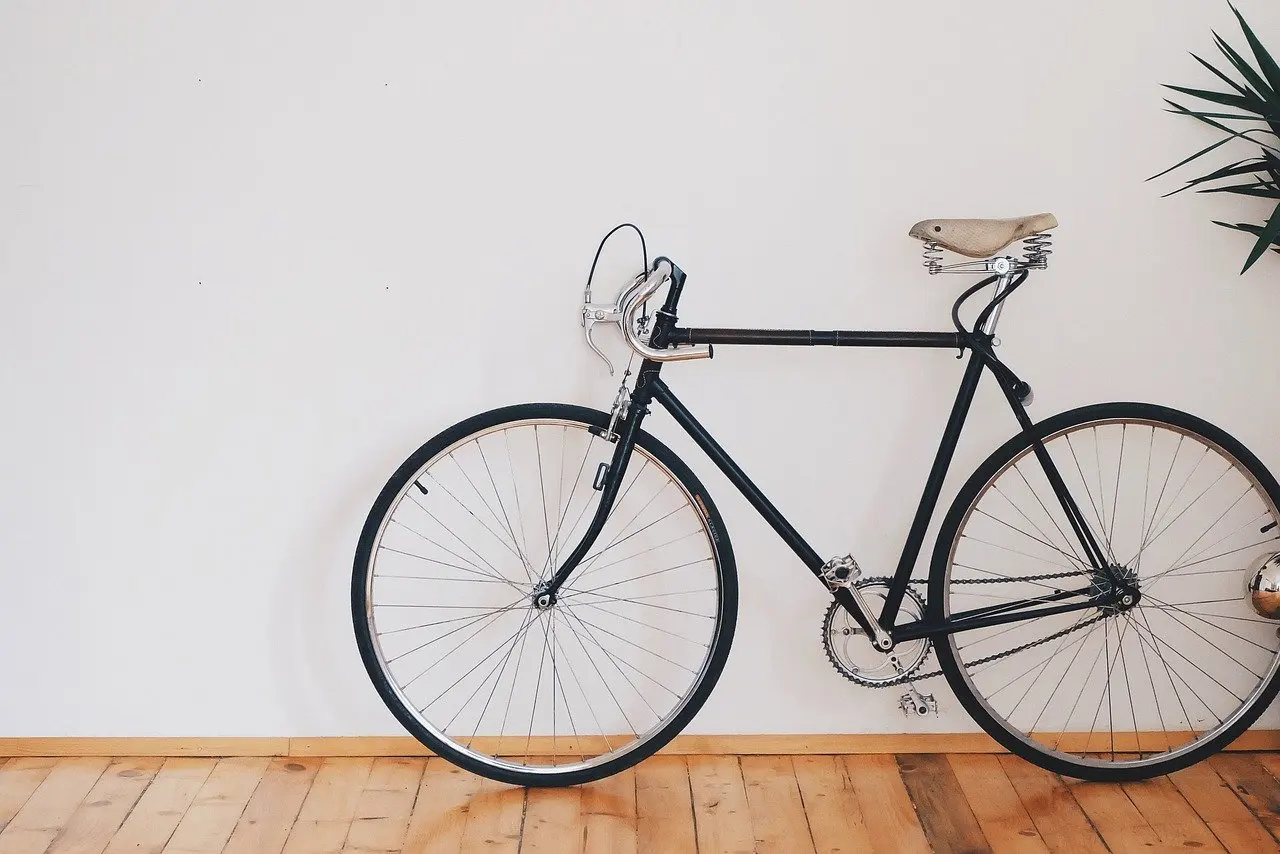
The trade-off is surface-dependent. Bikes on narrower tires have lower rolling resistance on asphalt, enabling more agile and faster riding in the city. A cruiser-style bike on narrower tires therefore suits a paved promenade, while a fat bike earns its extra weight where the surface turns loose. Riders weighing both for a beach day can read the e-bike vs beach cruiser comparison for the rental decision itself.
Using pedal assist
Pedal assist is what lets a heavy bike move through loose ground without exhausting the rider. Choose the assist level for the surface, since the selected assistance level is one of the factors that shape how far a battery lasts.
Pros and cons of an electric fat bike
The case for an electric fat bike rests on terrain: it is the better tool for sand and a heavier, slower-feeling one on smooth pavement.
- Traction and cushioning. Wide tires grip and soften loose surfaces, which is the main advantage on a beach.
- Durable tires. Electric models use wider, thicker and more puncture-resistant tires than standard bicycles.
- Reliable stopping. Hydraulic disc brakes, where fitted, offer superior and more consistent braking performance in all weather conditions.
- Weight. The battery and hub motor add mass that is noticeable when lifting, parking or walking the bike.
- Wheel-weight handling. A hub motor places extra weight in the wheel, which can affect handling.
- Slower on asphalt. Narrower tires roll more easily on pavement, so long paved stretches suit a different bike better.
Riders who spend most of the day on sand or mixed paths will usually accept the weight. Riders planning mostly smooth promenade riding should compare against a lighter option first.
Booking checks and beach access
A rental booking for sand works best when a few details are confirmed before payment. The wider choice of electric models is covered in the guide to electric bike rental for beach ride planning.
- Check the beach rules. Look at the signs posted at the beach or ask the rental shop whether bikes are permitted on the sand and on which paths.
- Confirm tire width. Ask for the stated width and whether the tires are fat tires of 4 inches or wider.
- Ask about the motor. A motor with 80 Nm or more will feel significantly more powerful on hills than one with 50 Nm, which matters if the route crosses dunes or ramps.
- Ask for the weight and battery capacity. Both are listed per model and help compare rentals fairly.
- Ask whether a pressure gauge is available. Being able to adjust pressure after leaving the shop makes the sand-to-pavement switch easier.
Troubleshooting on the ride
- The ride feels harsh and bouncy. The tires are probably over-inflated for pavement, so release a few PSI at a time.
- Steering feels odd or heavy. Hub-motor weight sits in the wheel and can affect handling, so slow down on soft ground and ride smoothly.
- The battery drops faster than the listing suggests. Real-world range is typically 35% to 65% of the advertised maximum, so plan a shorter route than the headline figure allows.
- The bike feels sluggish after a pressure change. A change of a few PSI alters handling and efficiency, so return to the earlier setting and adjust in smaller steps.
Frequently asked questions
How much does tire pressure affect an electric fat bike’s range?
Tire pressure is one of the named factors in how far an e-bike goes, alongside rider weight, the selected assistance level and the route profile.
How is a fat tire size such as 20×4.0 read?
The first number is the wheel diameter and the second is the tire width, so 20×4.0 means a 20-inch wheel with a 4.0-inch wide tire.
Can a heavier rider or a loaded bike use an electric fat bike?
A robust utility bike should offer a total payload capacity of around 400 lbs. Check the stated limit for the exact rental model before adding luggage.