What type of bike is best for a beach path? For short, flat, paved rides, an upright cruiser; for longer rides or more speed, a hybrid; for motor help, an electric bike. The path surface and the ride length decide it.
Picture a rental counter with a row of cruisers, hybrids and e-bikes, and a flat path running beside the sea. Surface, distance and comfort are the three questions that sort the choice, and the sections below take them in that order. The hub on bike rentals venice beach and other bike types for coastal rides sits alongside this guide for readers who want the wider rental picture.
Start with the surface under the wheels
The surface decides whether a standard rental bike is enough. A boardwalk or paved promenade suits almost any casual bike, while sand changes the tyre requirement completely.
- Boardwalk or paved path: any of the bike types below works, so ride length and comfort become the deciding factors.
- Packed wet sand: an e-bike buying guide from eRoad Bike Guide says a standard cruiser tyre of 2.3 to 2.5 inches handles it at normal pressure.
- Soft dry sand: the same guide describes 4 inch tyres run down to 8 to 12 psi, which is specialist equipment rather than a normal rental cruiser.
For a typical seaside path ride, plan around the paved surface and treat soft sand as a separate job. A rider who only wants to cross a short stretch of packed sand does not need a different bike from the one chosen for the path.
Cruiser: the relaxed pick for short, flat rides
A beach cruiser is the natural match for a slow, flat, comfort-first ride. One manufacturer’s size and bike-type guide describes cruisers as made for relaxed, casual riding, with wider tyres, a more upright geometry and a cushioned seat.
The upright position keeps the rider looking ahead at the water rather than down at the handlebars, which is why this type dominates seaside fleets. The eRoad guide also notes that step-through versions give a low standover.
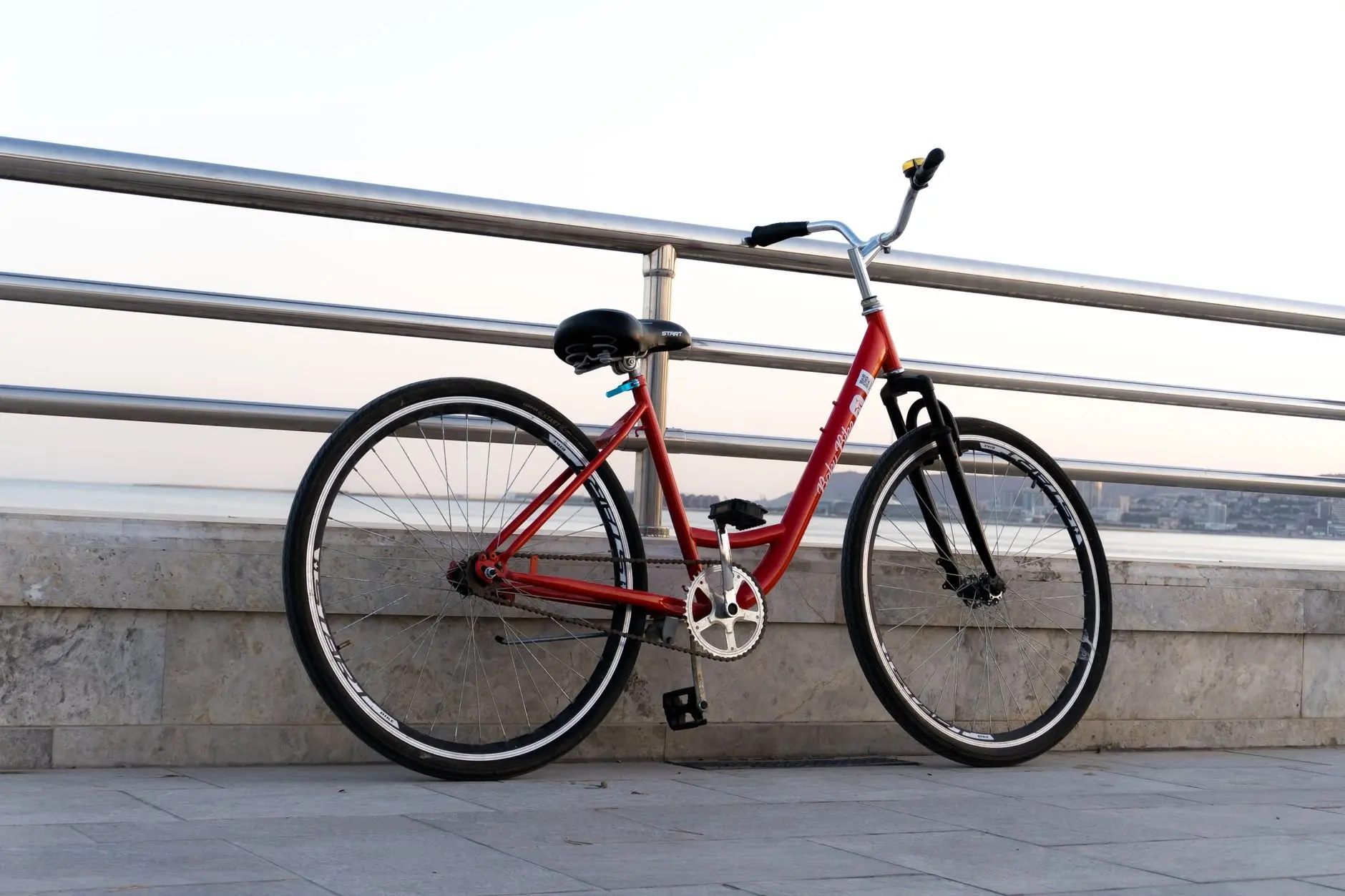
The limit is distance. The eRoad Bike Guide states that cruiser geometry is comfortable for short rides and hard on the hands and back on long ones. Choose a cruiser when the ride is a short out-and-back along a flat path. Look elsewhere if the plan is to cover a long stretch of coastline in one go. Riders leaning towards this option can read more about beach cruiser bike rental before booking.
Hybrid: the better pick when the ride gets longer
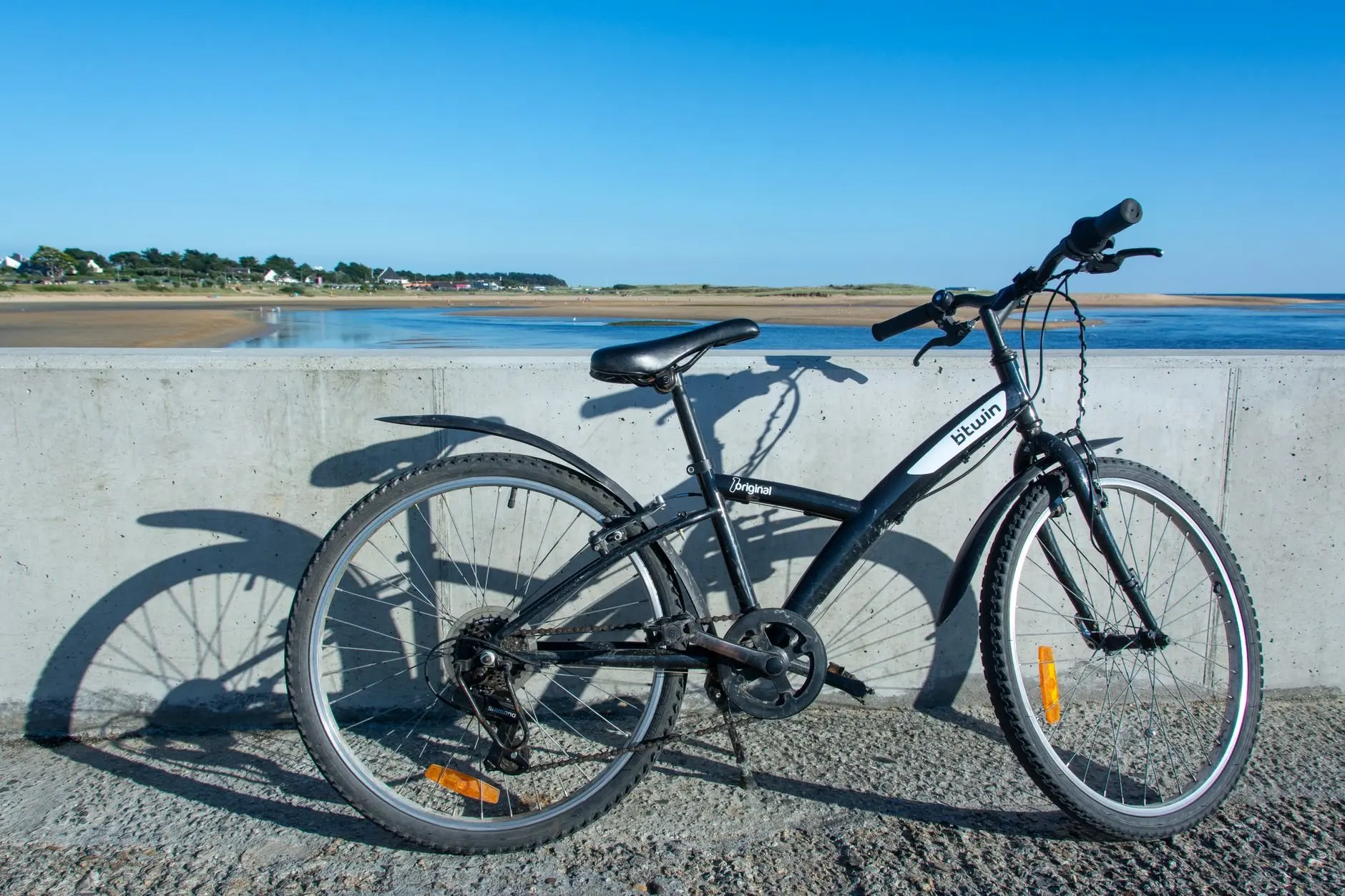
For a flat coastal ride, a cruiser wins on relaxed comfort over a short distance and a hybrid wins once the ride is long enough for the cruiser’s hand and back strain to matter. The same manufacturer guide describes hybrid bikes as well suited to city and casual rides on paved paths.
A hybrid is the practical middle ground for a rider who wants an everyday bike feel rather than a purely leisurely one. It suits a rider who expects to ride for a while, who wants the option of gears, or who is comfortable on a conventional flat-handlebar bike.
Gears: when a single-speed is enough
A flat seaside path does not demand gears. The eRoad guide puts the limit of a single-speed at roughly 17 to 19 mph, depending on gearing, before pedalling adds nothing. That ceiling is well above a leisurely path pace, so a single-speed cruiser is a reasonable choice for flat ground.
Gears become worth having when the route is not flat. The same guide says that climbs steeper than about 5 percent are where a single-speed struggles, and its blunt rule is that if your area has hills, get gears. A bridge approach, a headland section or a ramp up to a promenade can all change the answer, so check the route before settling on a single-speed.
For a coastal bike that will be ridden often, the guide singles out an internally geared hub with 3 to 5 speeds, driven by a belt, as the best option. A rider choosing from a fleet can treat that as a tip for what to prefer, not a requirement.
Matching the bike to the ride
This table turns the sections above into a quick diagnosis. Find the row that describes the ride and start with the bike in the second column.
| Your ride | Start with | Planning use |
|---|---|---|
| Short, flat boardwalk ride, comfort first | Cruiser | Upright position and cushioned seat suit a slow pace; do not stretch it into a long ride. |
| Longer ride on a paved path | Hybrid | Built for casual paved-path riding without the cruiser’s long-ride strain. |
| Route includes slopes or hills | Geared bike or e-bike | A single-speed struggles on steeper climbs, so gears or a motor take over. |
| Short stretch of packed wet sand | Standard cruiser tyres, 2.3 to 2.5 inches | Normal pressure is fine; soft dry sand needs wide, low-pressure tyres instead. |
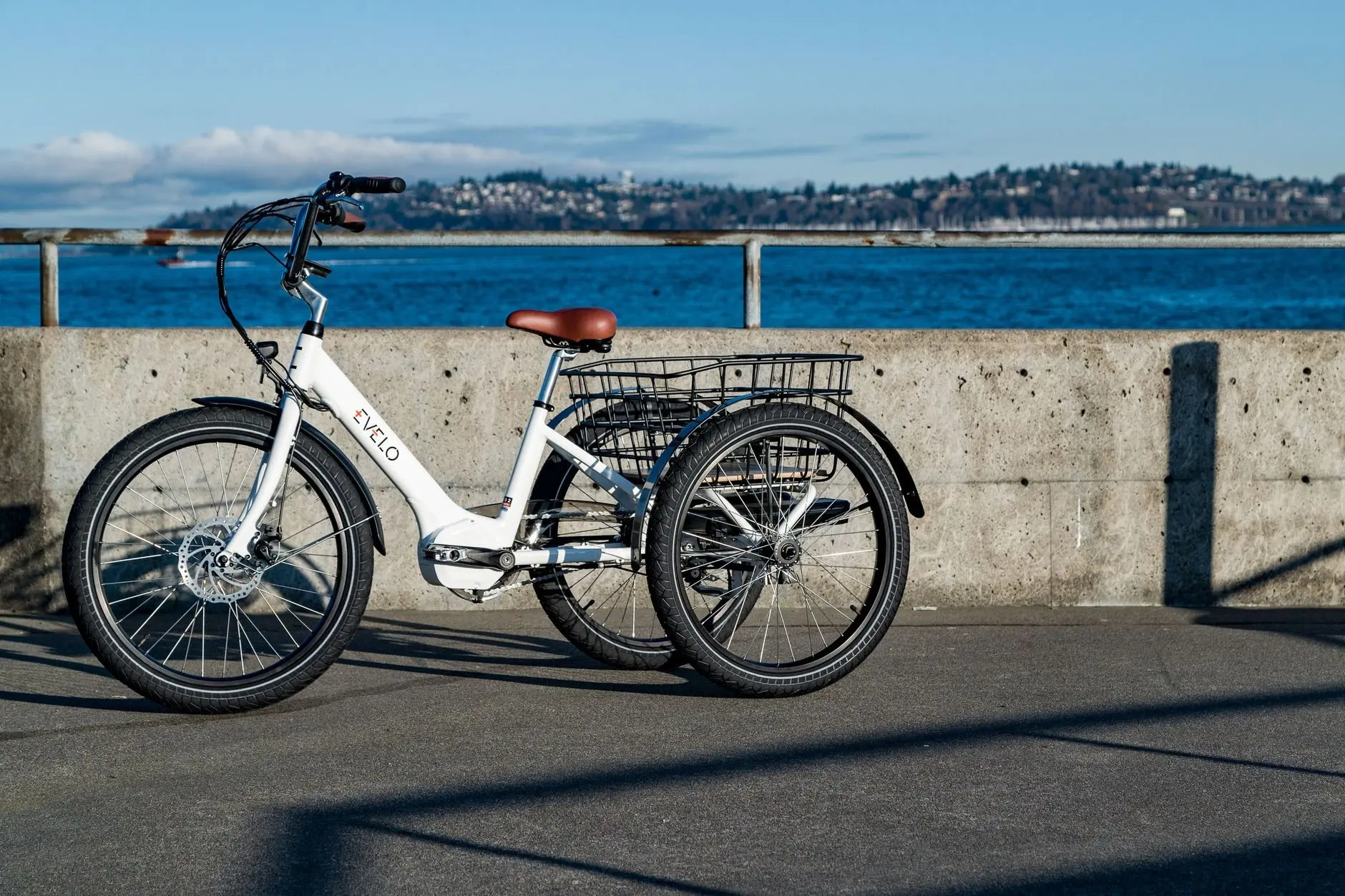
| Want motor assistance on a flat route | Electric bike | A hub motor covers the useful speed range even on a single-speed frame. |
The bike-type descriptions come from a manufacturer’s bike-type guide, and the tyre and gearing details from the eRoad Bike Guide.
Electric bike: when the motor is worth choosing
An electric bicycle is worth choosing when assistance matters more than simplicity: a rider who wants help over hills, or a group with mixed fitness levels. The eRoad guide notes that on flat coastal terrain a single-speed cruiser with a competent hub motor covers the useful speed range. A geared drivetrain is therefore optional on an e-bike for a flat path, and the same guide counts climbs steeper than about 5 percent as the point where the motor is really working.
Surface matters for range. The eRoad guide expects a battery to drain at about 3 to 4 times the pavement rate on soft dry sand. An e-bike is a good fit for paved routes. It is a poor choice for a plan that leans on a battery to cross loose sand.
Comfort and frame size from a rental fleet
Fit makes any of these bikes better or worse, and rental fleets rarely offer every size, so height is the quickest guide. Manufacturer and retailer size charts give a usable starting range for hybrids.
The two charts agree on frame size for riders around 5’8″ to 5’9″ but quote different inside-leg figures. That is a reason to start from height rather than from a leg measurement. The retailer itself describes its chart as an approximate guide, because sizing is very personal. Riders outside this height band should ask the rental counter which frame in the fleet matches their height.
Before you leave the rental counter
A few quick checks catch a poor match early, before the path begins.
- Sore hands or back soon after setting off: that is the cruiser trade-off showing early, so ask for a hybrid before committing to the full ride.
- A bike that feels too big or too small: ask for the neighbouring frame size, because charts are only approximate.
- A route with a slope you did not expect: swap a single-speed for a geared or electric bike rather than walking the hill.
Sort out head protection at the same time as the bike. The guide to bike helmet rental explains the helmet and safety rules for rental riders.
Frequently asked questions
| Question | Answer |
|---|---|
| Which bike is easiest to get on and off? | A step-through cruiser, which the eRoad Bike Guide describes as having a low standover that makes mounting and dismounting easy. |
| Can a hybrid cope if part of the path is gravel? | A manufacturer’s bike-type guide describes hybrids as suited to casual rides on paved or light gravel paths, so a short gravel stretch is fine but loose, heavy surfaces are not. |
| How powerful is a typical e-bike motor? | One e-bike maker’s beach riding tips state its motors range from 250 to 500 watts. Output varies by brand. |
| Does salt air affect the bike? | The eRoad guide says the chain and cassette are the first parts to go near the coast, usually within a season if untreated. That matters more for owners than for renters. |