Quick answer: A beach cruiser bike rental suits short, flat seafront rides where comfort matters more than speed. Choose it for the upright posture and wide saddle, and ask about gearing and brakes before you pay.
Fleets and bike types vary from shop to shop. For the wider picture, see bike rentals venice beach, then come back here for the cruiser detail.
What a beach cruiser is and how it rides
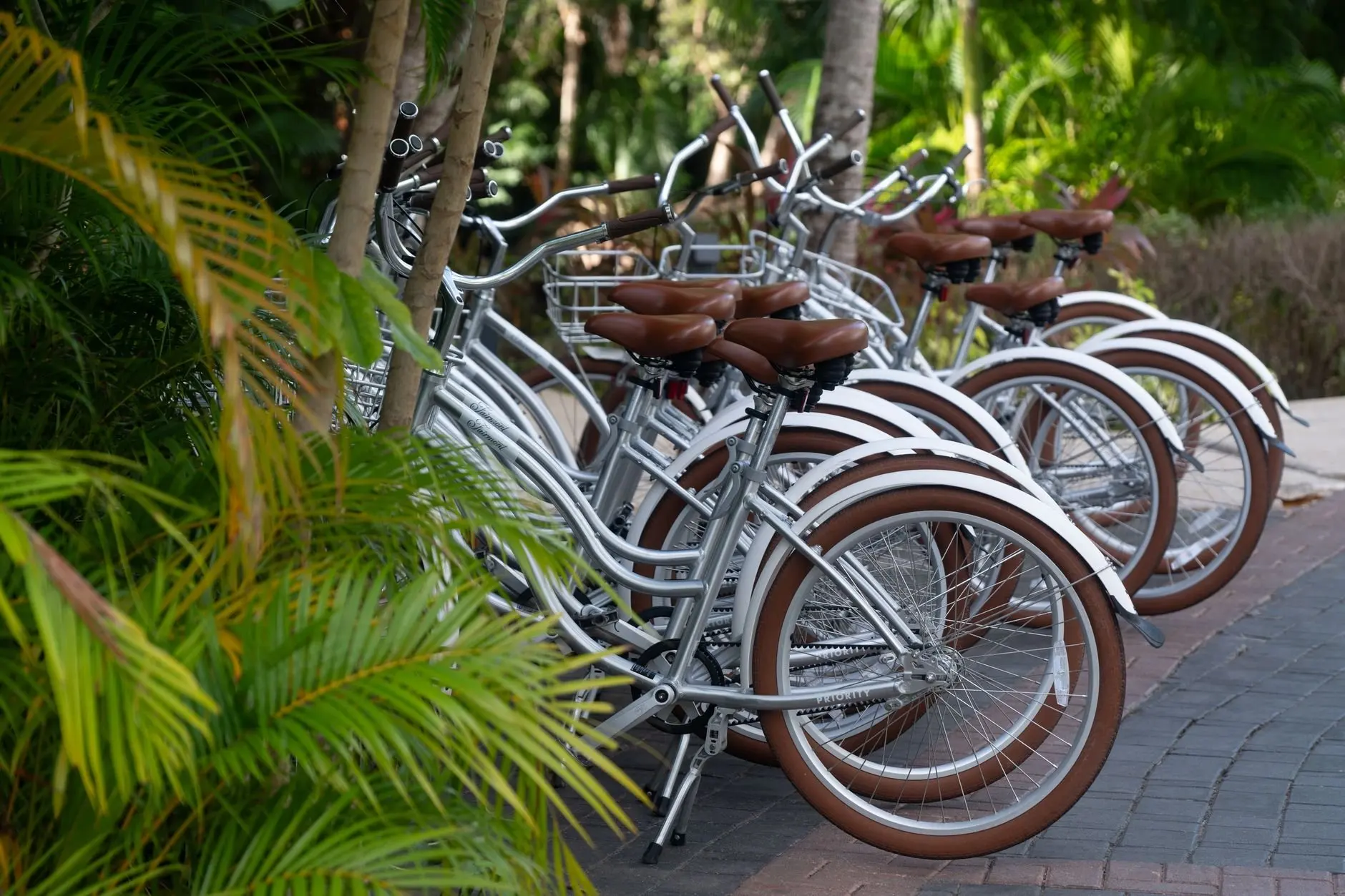
A beach cruiser is a relaxed city-and-seafront bike built around sitting upright. One retail listing for a classic cruiser describes an upright riding posture, a thickened wide saddle, 26-inch wheels and front and rear V-brakes. Those traits explain the ride: you roll along at an easy pace, look ahead rather than down, and sit on a cushioned seat instead of leaning on your hands.
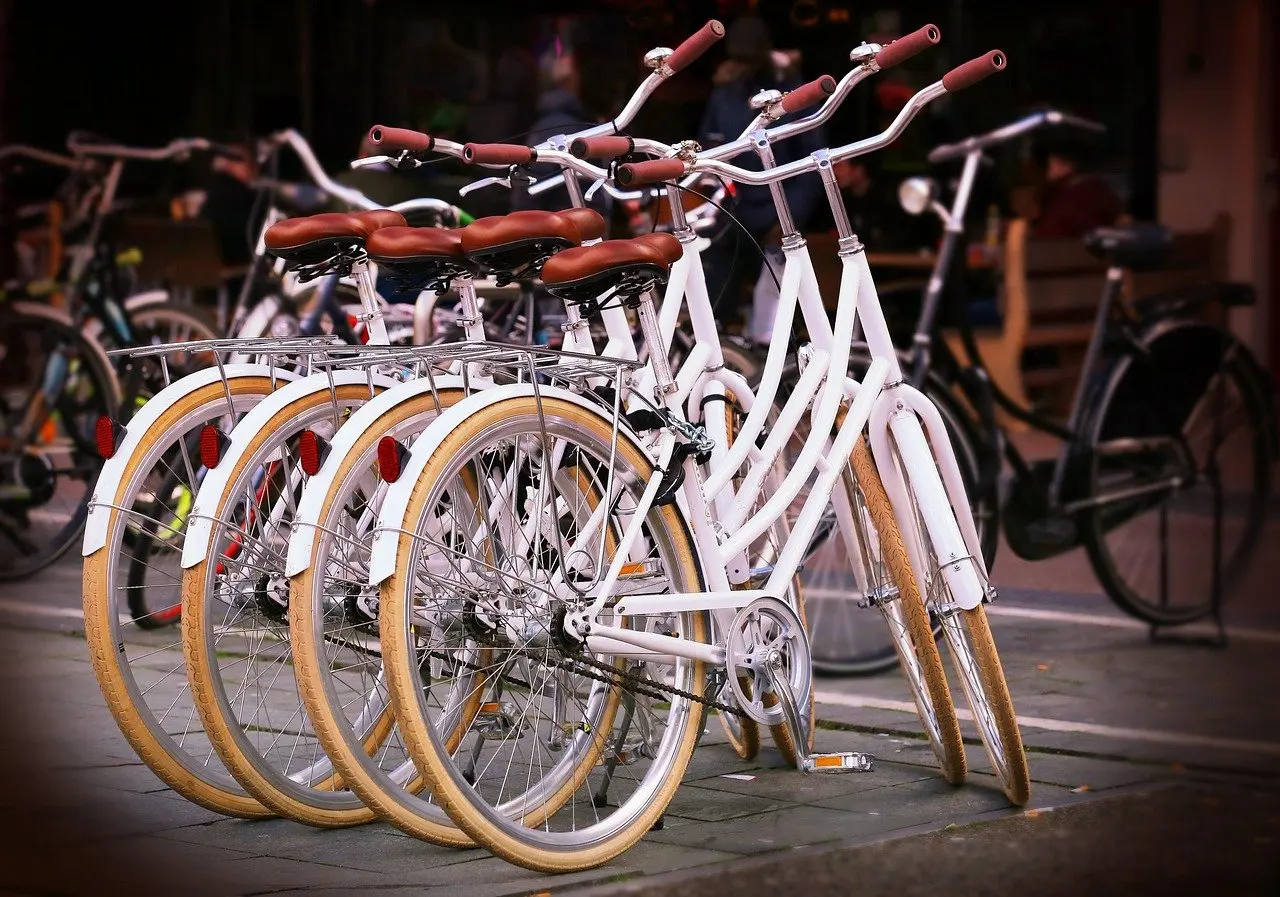
That makes the cruiser a comfort bike first. It is a good match for a promenade or a paved coastal path where you will stop often, carry a bag and look around. It is a weaker match if you want to cover distance quickly or tackle sustained climbs.
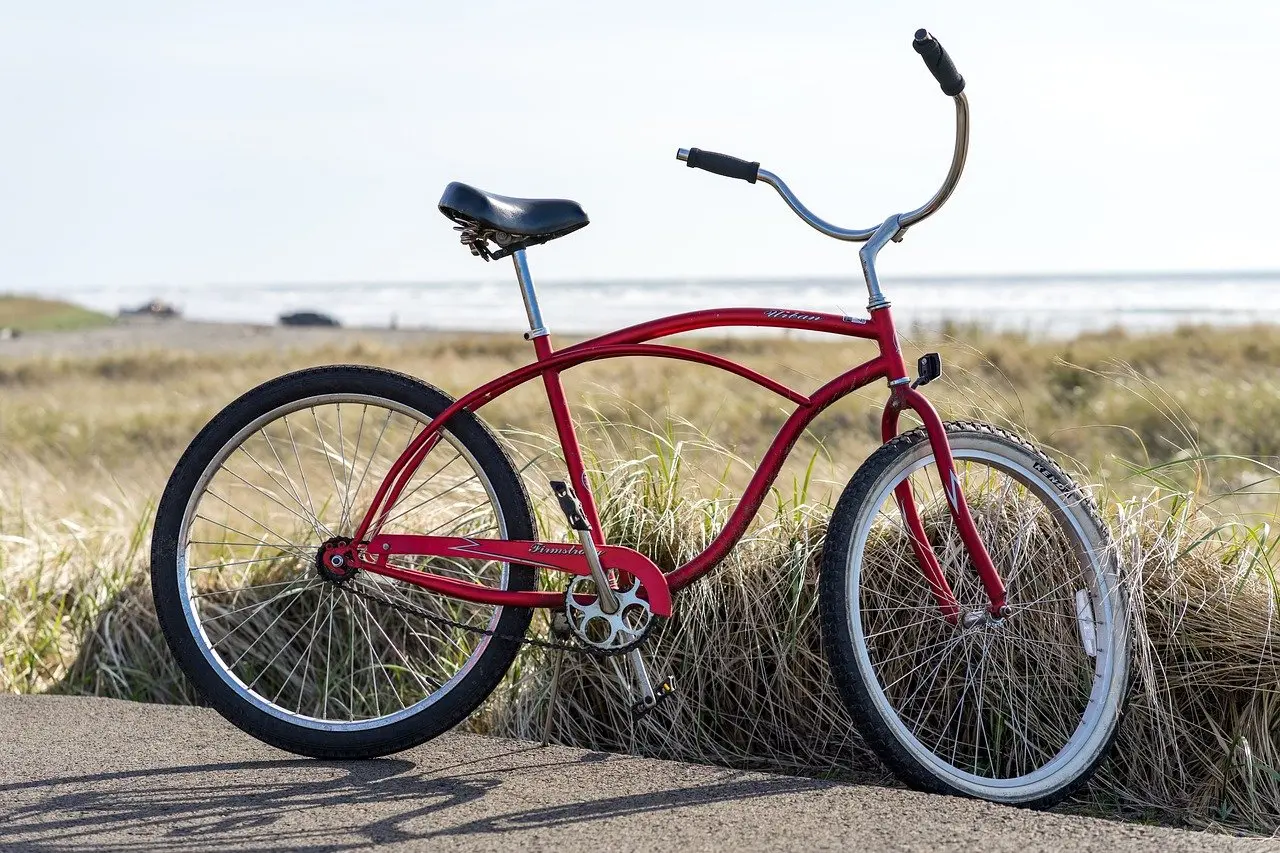
This guide covers the standard cruiser only. For bigger-framed variants, read about the oversized beach cruiser bike separately.
Riding position and saddle
The cruiser riding position is upright, with the torso near vertical and the hands resting at a comfortable height. Because your weight sits on the saddle rather than being shared with the handlebars, the wide, thickened saddle in the listing above does real work. A narrow, racing-style seat would feel harsh in this posture.

Use the posture to decide whether a cruiser suits you:
- Good fit: riders who want to see the scenery, wear everyday clothes and avoid sore wrists. The upright stance keeps the neck and shoulders relaxed.
- Less suited: riders who want a stretched, efficient position for longer distances. That is a hybrid-style job, covered below.
- Quick fit check: sit on the saddle with a relaxed back and check that you can reach the grips without stretching. If the position feels cramped or stretched, ask the shop to adjust it or swap the bike before leaving.
Cruiser vs hybrid bike
The cruiser and the hybrid both suit casual paved riding, so the choice comes down to what the route asks of you. Cruiser traits are comfort, an upright seat and a simple, sturdy build. A hybrid is the usual alternative when a shop offers it, and the useful question is which one matches your ride rather than which is better in general.
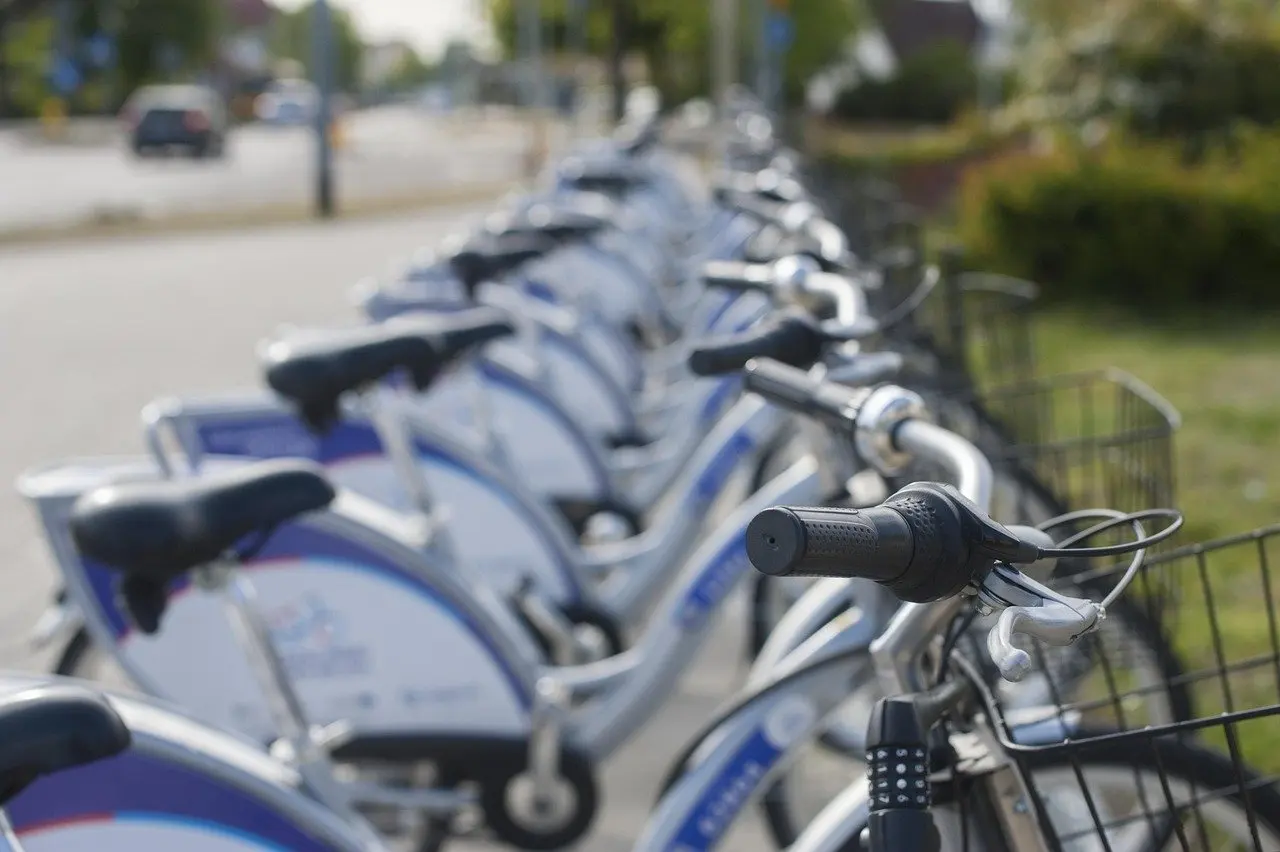
Decide with these criteria:
- Distance: for a short out-and-back along the front, the cruiser’s comfort wins. For a long day with several stops spread far apart, ask whether a hybrid is on the rental list.
- Terrain: flat promenade favours the cruiser. If the route includes rises or exposed stretches, gearing becomes the deciding factor, which is covered in the next section.
- Luggage and stops: a cruiser with a basket or rack suits a towel, water and a light bag. Check what the specific bike carries.
- Mixed surfaces: if the ride leaves the pavement, a cruiser’s standard setup may not be the right tool. The guide on what type of bike is best for a beach path goes through the surface and route questions in more detail.
As a rule, take the cruiser when the ride is short, flat and leisurely, and ask for a hybrid when distance or hills are the real concern.
Single-speed cruisers: pros and cons
A single-speed cruiser has one gear ratio and nothing to shift. That is simple, and it is also the limit. By comparison, the listed cruiser above has a 7-speed shifting system with a rear derailleur, which gives a rider a way to ease the effort on a slope or into a headwind.
Where single-speed helps
- Nothing to learn: there are no shifters, so first-time or occasional riders can step on and pedal.
- Fewer parts: with no derailleur or shifting cables, there is less to go out of adjustment.
- Fits the flat-promenade brief: on level ground a single ratio is usually enough.
Where it falls short
- No relief on inclines: a single ratio cannot be lowered for a climb or a headwind, so the effort rises with the conditions.
- Less flexibility: if the route turns out to be hillier or windier than expected, there is nothing to change except the bike.
The judgement is straightforward. Take single-speed for a known flat route, and take a geared cruiser if you are unsure of the terrain. Ask about the brakes at the same time, because braking systems differ between cruisers. The listed geared model uses front and rear V-brakes, and a rental bike may differ, so test the brakes in the shop before leaving.
Rental prices for cruisers
Published cruiser rental rates are quoted per half day and per full day, and the bike type changes the price. The only rates available here are for electric models, so treat them as a guide to how pricing is structured and compare any standard pedal cruiser against the shop’s own list.
| Rental type | Half day (USD) | Full day (USD) | Planning use |
|---|---|---|---|
| Beach e-Cruiser | $45 | $65 | The base rate in this list, with fat tires described as suited to sand. Use it as the starting comparison. |
| Fat Toury and step-thru e-bike | $55 | $75 | A higher tier. Worth it only if the frame style or tire type matters for your ride. |
| eCruiser Wagon | $75 | $95 | The highest rate listed. Confirm what the wagon adds before choosing it. |
These figures come from one shop’s published rental rates, which also mention a multiday discount on the listed e-bikes.
A half day is the better choice for a single promenade ride with a stop. Choose a full day only if you plan to ride, break and ride again.
What to check before you rent
Most problems with a cruiser rental can be spotted in the shop, before any money or time is lost. Work through this list at pick-up:
- Confirm the exact bike type. Make sure it is the standard cruiser you wanted, not an electric or fat-tire model with a different price.
- Sit on it. Check the saddle height and the reach to the grips, and ask for an adjustment if either feels wrong.
- Ask about gearing. Find out whether the bike is single-speed or geared, and match that to your route.
- Test the brakes. Squeeze or press them on the spot and ask how they work if the bike is unfamiliar.
- Check the inclusions. Ask what comes with the rental before you assume anything.
On booking, the trip-planning site Trip Outside points out that booking directly with the outfitter is the route to the best price and availability. That makes the shop’s own page the right first stop, particularly in busy periods.
If something is wrong
If the saddle will not sit right, or the gearing does not suit the route you have chosen, say so before you leave the shop. Swapping bikes at the counter is far easier than finding out on the path. If the only available bike is single-speed and your route has rises, consider a shorter route instead of forcing the ride.
Frequently asked questions
Is a standard cruiser good for riding on sand?
A standard cruiser is designed for paved surfaces. A shop’s published description of its Beach e-Cruiser says the fat tires make it suited to sandy surfaces, which points to tire width as the feature to ask about if your ride leaves the pavement.
Can I change or cancel a booking?
Policies differ by shop. One published policy allows you to cancel or reschedule for free within 24 hours of your reservation, so read the terms on the page you book from.
What comes with a rental?
The same shop’s page lists a helmet, a basket and a bike lock with its rentals. Inclusions vary between shops, so confirm them when you reserve.
Is a longer rental cheaper per day?
That shop’s rate list notes a multiday rental discount on its listed e-bikes. Ask any shop whether a longer booking lowers the daily cost.