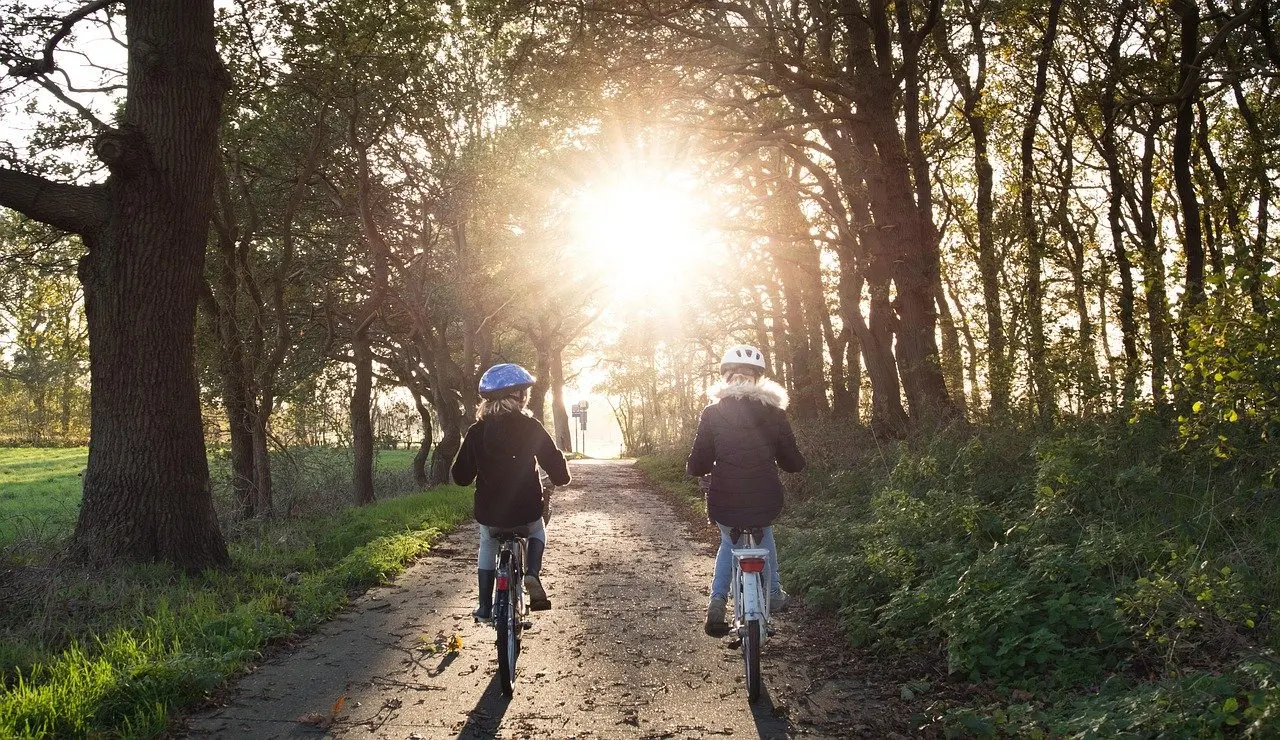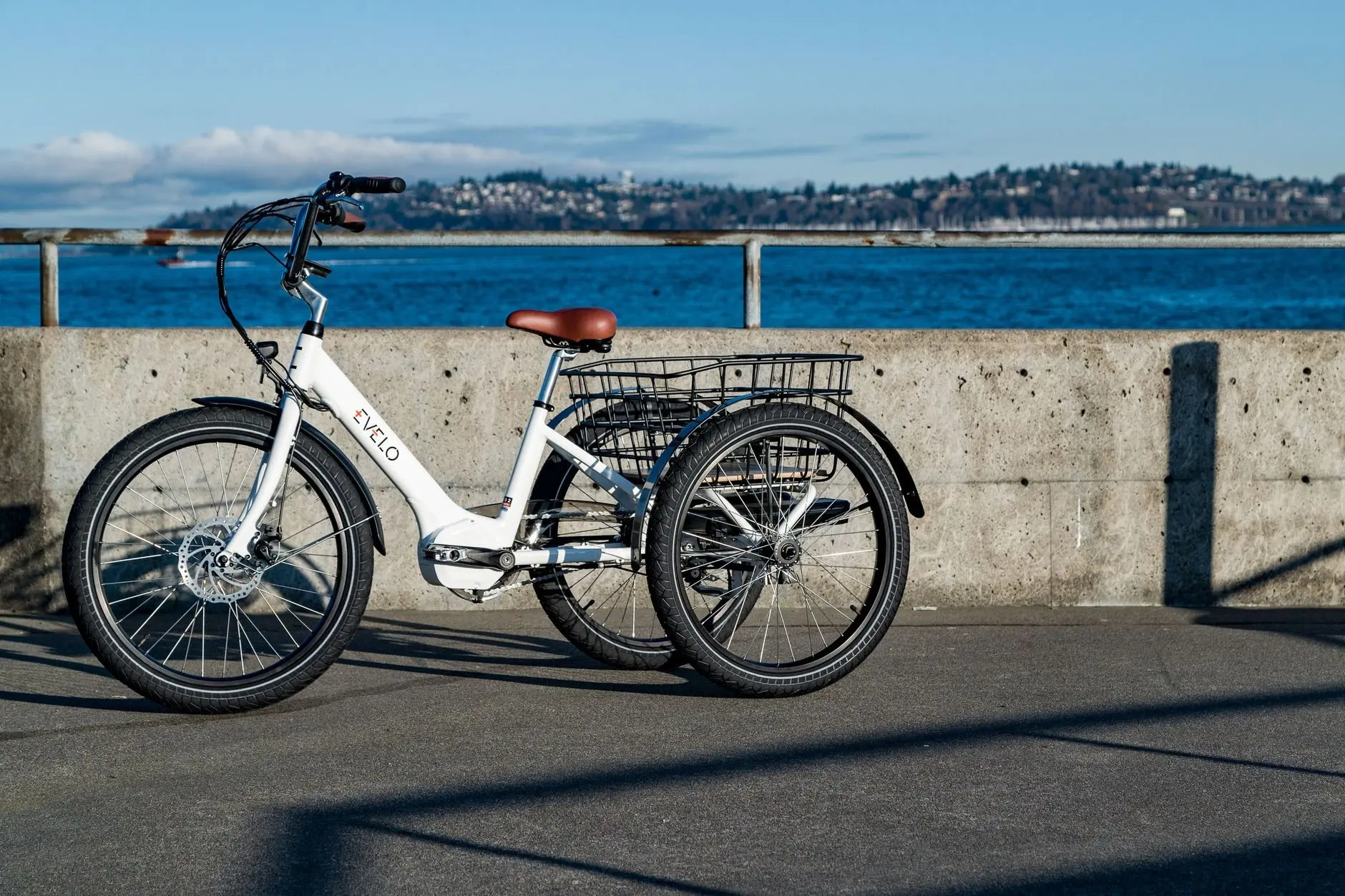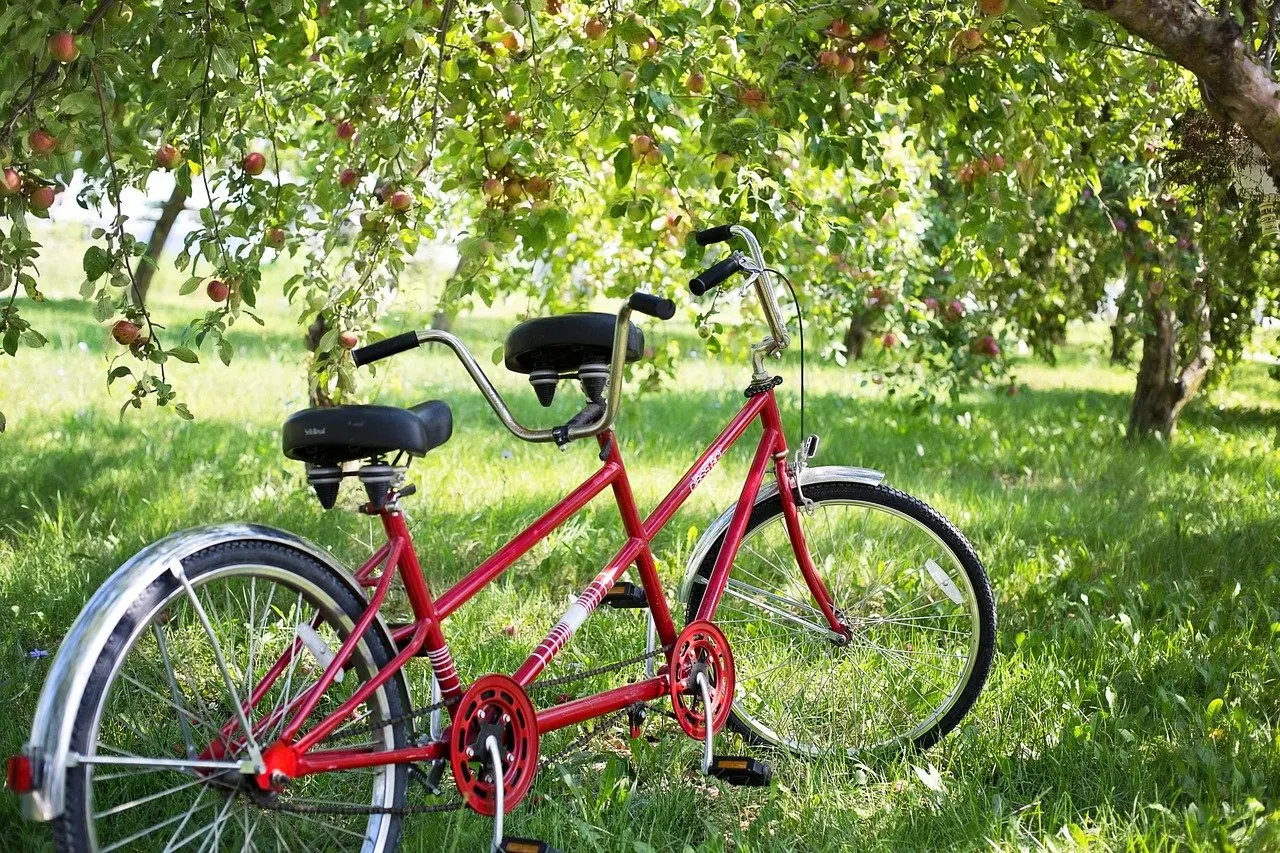
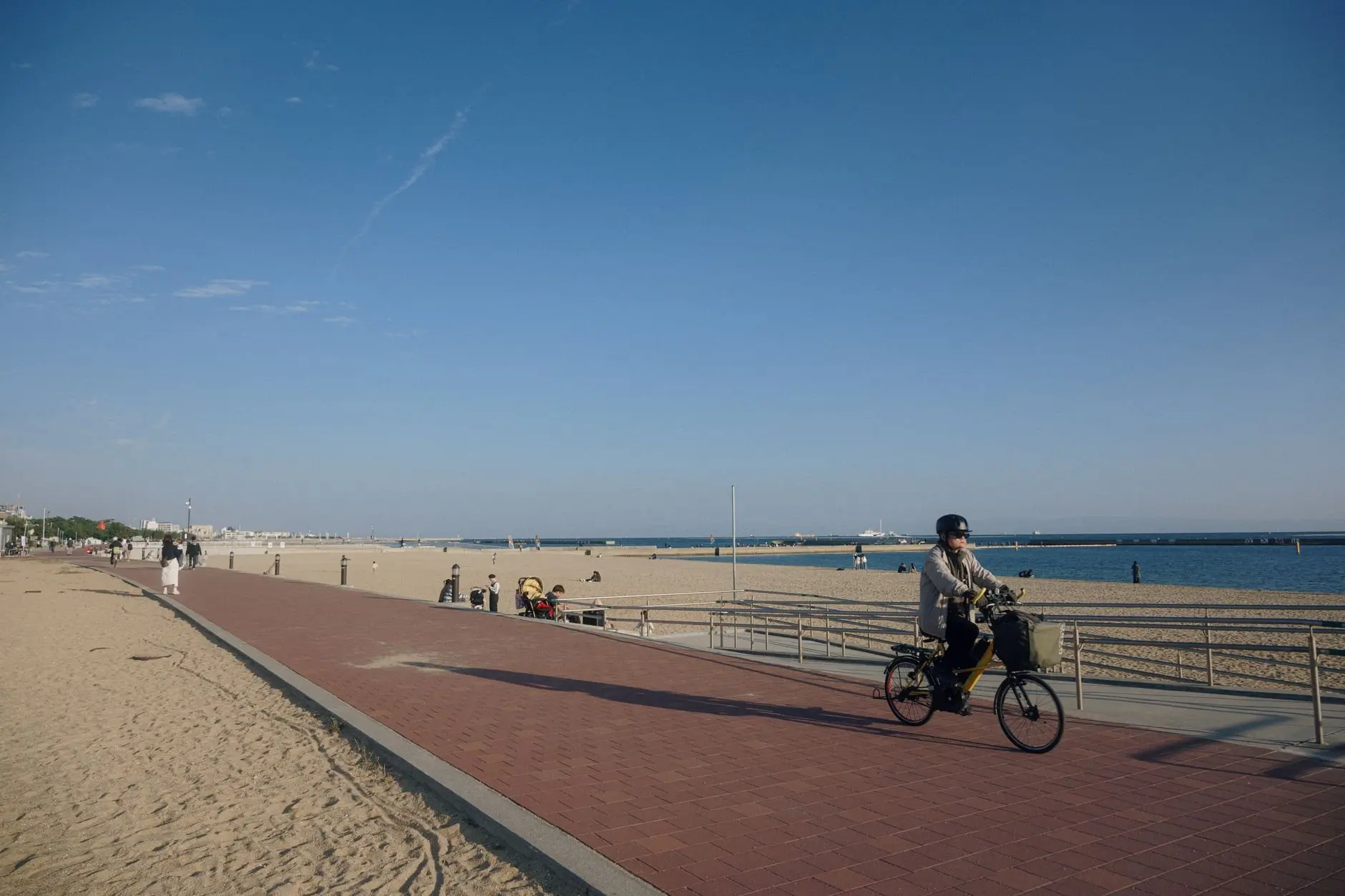
| Bike type | Suits | Rental length that fits | Planning use |
|---|---|---|---|
| Beach cruiser | Relaxed, upright riding on paved coastal paths | A short outing up to a full day | The default for first-timers who want simple, comfortable riding with no battery to manage. |
| Tandem | Two riders who want to share one bike and one pace | A short outing or an easy afternoon | Choose it when both riders are happy to set off, stop and turn together. |
| Electric bike | Riders who want pedal assistance over a longer outing | A longer outing or a full day | Battery use rises on sand, so keep it to paved paths unless the model is built for soft ground. |
| Electric fat-tire bike | Mixed paved and sandy surfaces | A full day or a longer outing | 4-inch wide tires give flotation on soft surfaces, which is the reason to pay for this type. |
| Bike trailer or child seat | Families riding with young children | The whole outing | Trailers are legal in every US state, but helmet and age rules apply to the child. |
Figures in this table come from a vendor beach test of fat-tire e-bikes and a summary of US child cycling laws.
Bike rentals Venice Beach visitors choose from range from cruisers and tandems to e-bikes, fat-tire models and family gear. Match the bike to the surface and the group, then confirm helmet and child-passenger rules with the shop before paying.
Readers still deciding between styles can start with what type of bike is best for a beach path, then use the sections below to settle rental length, safety rules and family options.
Choosing a rental bike by ride style
The best rental is the one that fits the ride you actually plan, not the most impressive bike on the rack. A flat seaside path rewards comfort and ease. A mixed route with sand rewards tires and power. A group with children rewards the right carrier. Start with the ride, then pick the bike.
Beach cruisers for easy paved rides
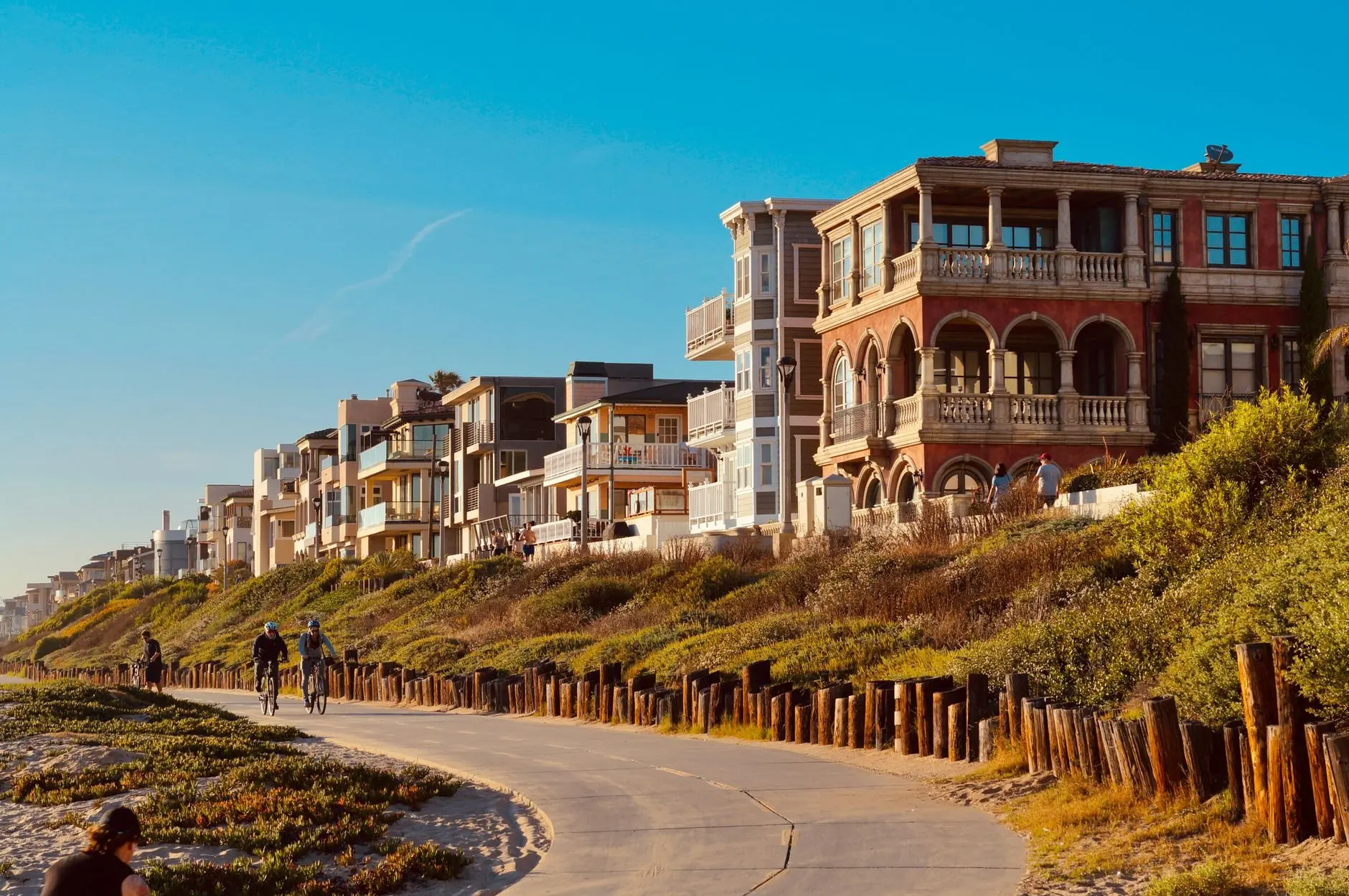
A beach cruiser is the sensible starting point for most visitors. It is built for sitting upright, rolling at a relaxed pace and stopping often to look around, which is how most people use a coastal path. It has no battery to charge or ration, and nothing about it needs explaining at the counter. A beach cruiser bike rental suits a first-time visitor, a casual rider returning to cycling after a long break, and anyone who wants a low-stress outing rather than a workout.
Frame size matters more than riders expect on a bike that looks one-size-fits-all. Taller or larger riders who feel cramped on a standard frame can ask whether the shop stocks an oversized beach cruiser bike. A bike that fits lets you sit comfortably for the whole rental period, while one that feels wrong at the counter will feel worse after an afternoon of riding.
Cruisers are less suited to riders who want help on a longer outing or who expect to leave the pavement. If that sounds like your plan, the electric and fat-tire options further down are the better comparison.
Tandems for shared rides
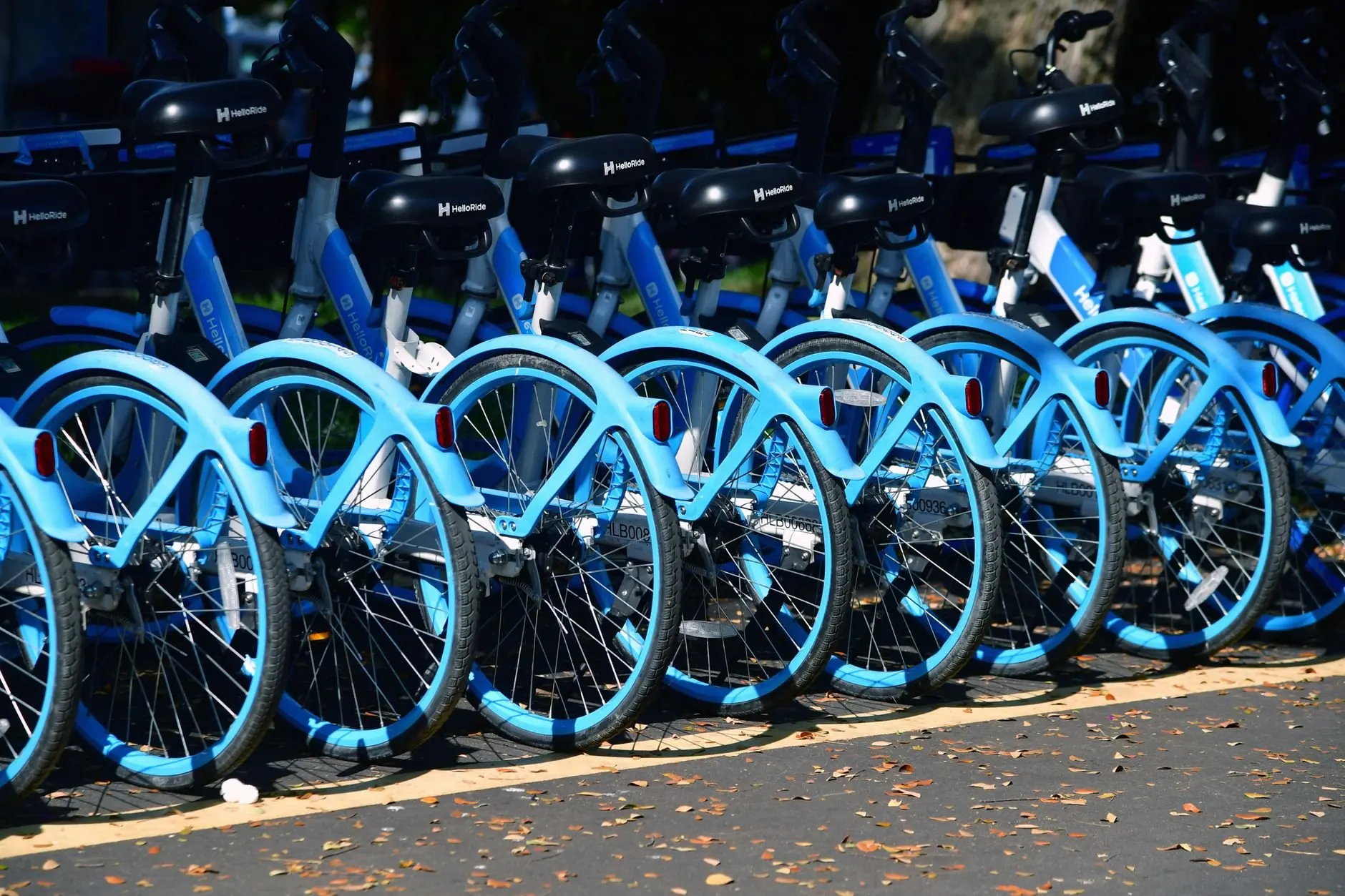
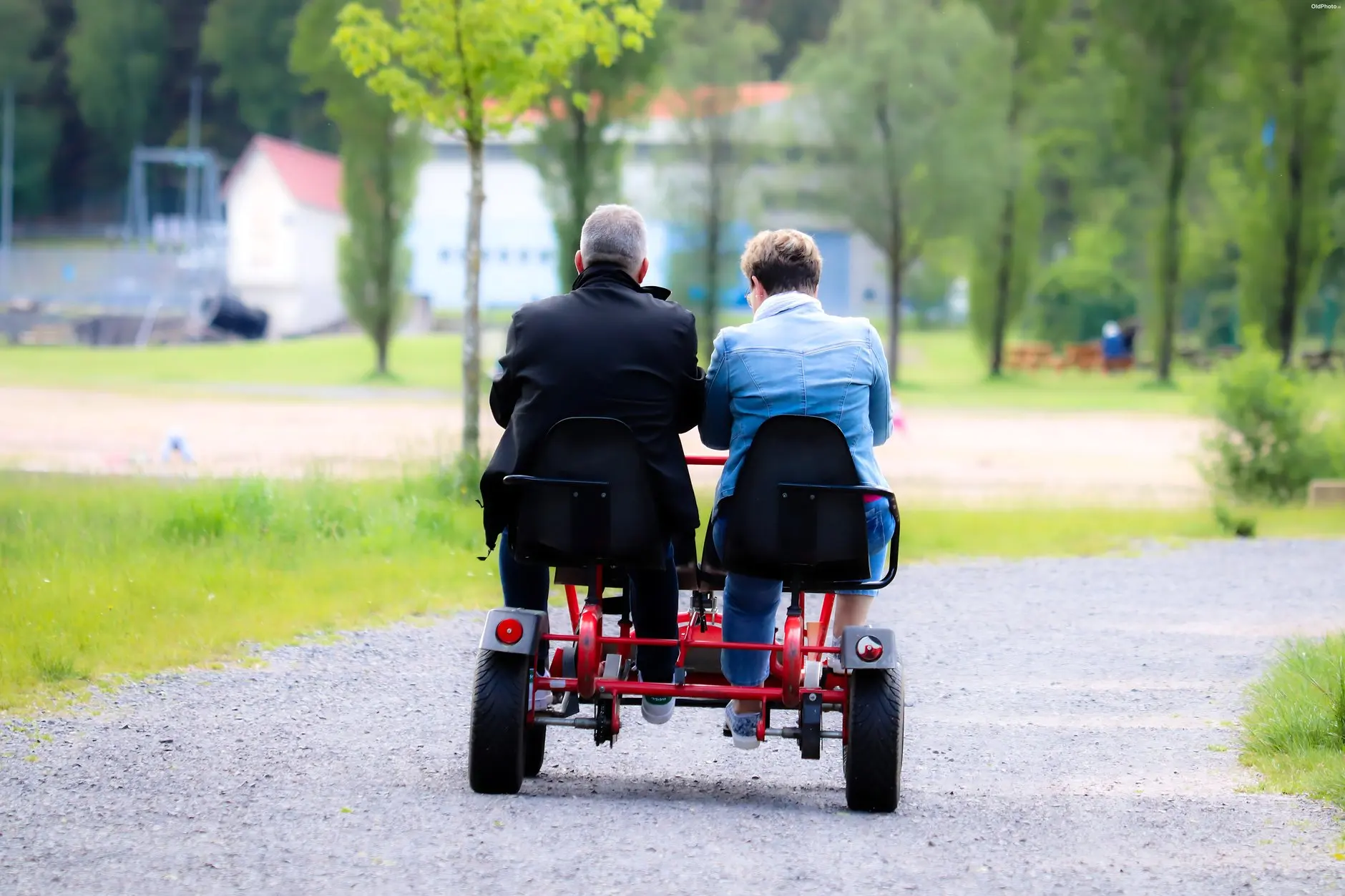
A tandem turns a ride into a shared activity. Both riders pedal the same bike, so neither can drift ahead or fall behind, which can suit couples, friends or a parent and an older child who want to stay together. It also demands cooperation: both riders start, stop and turn as one, and the rider in front steers for both. A tandem bike rental works best on a short outing or an easy afternoon, when the novelty is part of the point.
Choose a tandem when the pair rides at a similar pace and enjoys a slow, chatty trip. Choose two separate bikes when one rider wants to stop for photos, ride faster or keep an eye on a child. The shared-bike format has no flexibility, and that is its trade-off.
Other wheeled options
Some visitors want something different from a standard bike. Those curious about low-slung, sideways-sliding rides can read about drift trike rental, which covers what these machines are and where they belong. They are a separate experience from a path ride and are best judged on their own terms rather than as a replacement for a cruiser.
Electric bikes and fat-tire models
An electric bicycle adds motor assistance to pedalling, and a fat-tire bicycle adds very wide tires. The two features solve different problems. Assistance helps with effort and distance. Wide tires help with soft surfaces. Some rental models combine both, and that combination is the one to understand before paying a higher rate.
What fat tires actually do
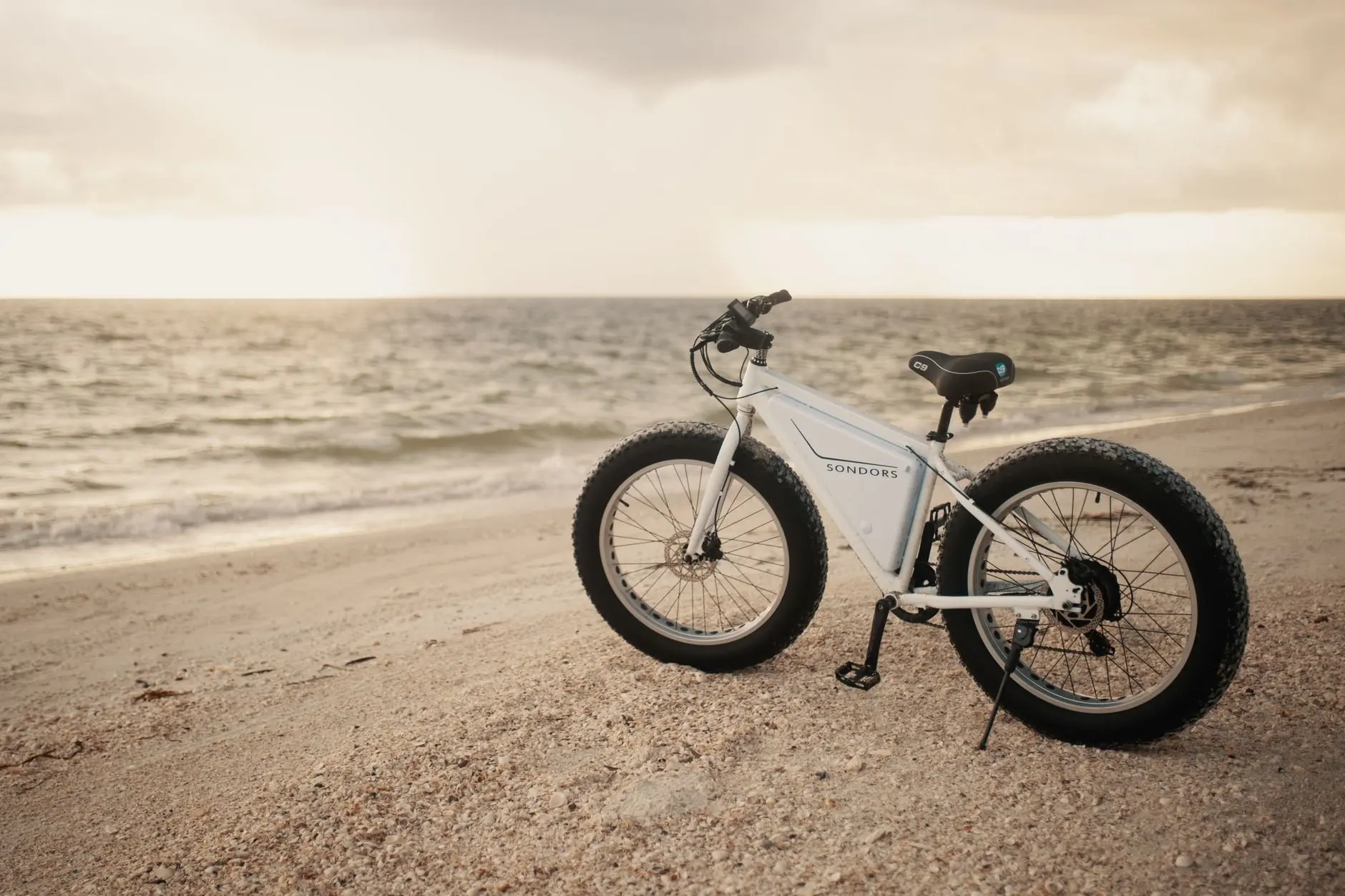
A vendor’s published beach test describes fat-tire e-bike models with 4-inch wide tires and says this design provides pontoon-like flotation on soft surfaces. In the same test, the tires stayed on top of the softest dry sand rather than sinking. That is a single vendor test of its own bikes, so treat it as a description of what the tire type is designed to do, not a guarantee for every rental in a fleet.
The practical lesson is about surfaces. Narrow cruiser tires are made for pavement. If your route includes sand-edged sections, a short walk across a beach or a track that turns soft, a fat tire is the type that is built for it. If the ride stays on a paved path, a fat tire gives you little you need, and a simpler bike is the cheaper and easier choice.
The same test notes that front suspension paired with fat tires filtered out bumps on the beach. For a rider who dislikes jolts, that comfort is a reason to look at suspension as well as tire width when comparing models.
Power on damp sand and the battery trade-off
The same vendor reports that on damp shoreline sand its electric fat bike showed a torque advantage, meaning stronger pull where the surface is firmer than dry sand but still heavy to ride. It also states that sand resistance is significantly higher than asphalt, so power consumption usually accelerates. Both points matter for rental planning. Motor help is most welcome on sand, and sand is exactly where it burns through the battery fastest.
That makes route honesty important. A rider who plans to spend much of the day on sand should expect the battery to drain faster than on a paved path and should ask the shop about charge and return timing before heading out. A rider who stays on pavement will not meet the same drain.
Who should rent an electric fat bike
An electric fat bike rental suits riders who want to mix surfaces, riders who want help over a longer outing, and groups with mixed fitness who still want to stay together. It is a poor match for someone who wants the cheapest, simplest ride on a flat paved path, because paying for flotation you will not use is wasted money.
In its own test, the vendor reports its bike sustaining a round-trip coastal journey of over 30 miles. Read that as evidence that the type can handle a long day when used well, not as a range promise for any rental you pick up. Battery capacity, rider weight, assistance level and surface all change real-world distance.
Paths, surfaces and shared-path habits
Most coastal rides are a mix of smooth pavement, painted lanes and the occasional sandy edge. Reading the surface ahead is the single most useful skill for a visiting rider, and it decides how much the bike type matters.
Reading the surface
Pavement suits every bike in the table. Damp, firm sand near the waterline is rideable for fat-tire models, according to the vendor test above, and the electric version pulls well there. Soft dry sand is where tire width matters most, and where a standard cruiser is likely to struggle. When a path edge turns to sand, the safe choice on a narrow-tire bike is to stay on the paved part or walk the bike.
Local path length and surface can vary from one stretch to the next, so a rental shop’s staff are the practical source for the stretch you plan to ride. Ask them which sections are paved, which are sandy and where the path ends, then match your bike to the least forgiving part of the route rather than the most common.
Sharing the path
A shared coastal path carries walkers, skaters, families and cyclists at different speeds, and a rented bike does not change who has the right to be comfortable. Keep a pace that lets you stop without swerving, pass with plenty of room and call out or ring before overtaking. On a crowded stretch, slowing down is the courteous choice and also the safer one.
E-bikes add a wrinkle. Rules on e-bike classes, motor assistance and where a motorised bike may ride are set by state and local authorities and can differ between a path, a boardwalk and a street. Ask the shop which class of e-bike you are renting and where it may be ridden, and follow the posted signs on the path itself.
Matching bike type to rental length
Rental length changes which bike makes sense, because comfort, battery and effort matter more as the ride gets longer. Pricing varies by operator, and readers who want to compare rates can start with how much does it cost to rent a bike for a day. The decision logic below works whatever the rate card says.
- Short outings favour simplicity. A cruiser or a tandem is easy to pick up, needs no battery planning and suits a flat, unhurried loop. A shorter rental also limits the cost of a poor fit, since you can swap or return the bike sooner.
- Full days favour comfort and range. Over a long day, seat comfort, upright posture and, for some riders, motor assistance become more important than a low rate. An electric bike spreads the effort, and a fat-tire e-bike adds the ability to leave the pavement.
- Group rides favour the slowest rider. If one person wants assistance and another does not, an electric bike for one and a cruiser for the other can keep a group together, while a tandem forces a single shared pace.
- Soft-surface plans favour the right tires. If sand is part of the plan, rent for the sand. A narrow-tire bike on a sandy section will slow the whole outing, and the fat-tire model’s higher rate is easier to justify when you will really use the tires.
When a plan is uncertain, rent the more capable bike for the full period only if the route needs it. Otherwise pick the simpler bike and add an upgrade only when the surface or distance truly calls for one. The rental counter is also the place to learn what to check before you sign, covered further in what to know before renting a bike.
Helmet rules and safety gear
Whether you need a helmet to ride a rented bike depends on where you ride and how old you are, and the rules differ widely from state to state. A summary of US child cycling laws reports that twenty-one states plus DC require helmets for minors, which means the law is far from uniform.
How state rules differ
The same summary gives a few examples of how requirements change. Florida requires any bicycle rider or passenger under 16 years of age to wear a CPSC-certified bicycle helmet. New York requires every passenger and operator under 14 years of age to wear a CPSC-certified helmet. New Jersey’s helmet law covers riders under 17 and expressly extends to passengers carried in a child seat or in a trailer attached to a bicycle. Those examples show how the age line and the passenger rules move between jurisdictions, so a rule from one state cannot be assumed to apply on the coast you are visiting.
These laws focus on minors. Adults are a separate question, and the answer comes from local law and the rental shop’s own policy. The practical advice is to ask the shop when you book whether helmets are required for your group and whether it supplies them, rather than assuming either way. Anyone who prefers to protect their head regardless of the rule can arrange a bike helmet rental alongside the bike.
Why children get extra attention
The same source notes that cyclists aged 5 to 14 consistently make up the largest share of bicycle-related emergency-department visits. That helps explain why many laws target children and why a family renting bikes should treat helmets as a first purchase rather than an afterthought.
Family riding: child seats and bike trailers
Families can usually ride with a child seat or a bike trailer, but the child’s age, weight and helmet fit decide what is safe, and the shop decides what it stocks. Legally, a trailer is the easier option: the same summary states that bike trailers are legal in every US state. That is why a bike trailer rental is a common family choice, and it also carries gear for a day at the beach.
Age and weight limits
Most US states do not set a minimum age for carrying a child on a bicycle, but that absence of a legal floor is not the same as safety. The American Academy of Pediatrics, as reported in the summary, recommends that infants under 12 months of age should not ride as bicycle passengers at all. Manufacturer ratings for child seats typically begin at 9 months, so the manufacturer’s figure is the practical minimum for a seat.
Some states are more specific. Florida requires any passenger aged 4 or under, or weighing 40 pounds or less, to be carried in a properly designed seat or trailer. Rules like this make it worth checking local requirements before assuming that a child of a given size can simply sit on a rack.
Seat or trailer
The summary notes that trailers are generally preferred over rear seats for younger children because the centre of gravity is lower. That gives a trailer a stability advantage, particularly for a rider carrying a small child. A rear seat keeps the child closer to the parent and takes less space, which can suit a short, familiar ride. Neither is a substitute for a helmet: the guide states that the helmet must fit before the seat does, so a child who cannot wear a properly fitted helmet is not ready for either.
Whether a particular shop rents child seats or trailers is a question for that shop, and availability can differ by season and fleet. Ask in advance, confirm the age and weight the equipment is rated for, and look at family bike rental options if your plan involves several children or different ages.

At the rental counter
A few minutes at the counter prevents most problems later. Fit the bike to your body before leaving, test the brakes and handlebars, and confirm the return time and any limits on where the bike may go. A rental that feels off at the start will feel worse by the end of an outing.
Fit and checks
Sit on the bike and check that you can reach the handlebars comfortably and stand over the frame, then ask staff to adjust the seat if your legs feel cramped or overextended. If a standard frame feels wrong, ask about a larger one rather than putting up with it. For a child, check the helmet first, then the seat or trailer fittings.
Questions worth asking
- Electric models. Ask which class of e-bike you are renting, how the assistance levels work, how long the battery should last on your planned route and where the bike may be ridden.
- Surfaces. Ask which sections of the path are paved and which turn sandy, so you can match the tires to the route.
- Family gear. Ask what age and weight the child seat or trailer is rated for, and whether helmets are available in the right size.
- Return terms. Confirm the return time, what happens if you return late and who pays for damage or a flat tire.
These questions take little time and settle most of the practical risk of a rental, whichever bike type you choose.
Frequently asked questions
Do you need a helmet to ride a rented bike?
It depends on your age and where you ride. Twenty-one states plus DC require helmets for minors, and the age limit differs by state. Adults should ask the shop about its policy and local rules.
Can you rent a bike with a child trailer or child seat?
Trailers are legal in every US state, and seats are widely used, but what a shop stocks is up to the shop. Ask ahead and confirm the age and weight the equipment is rated for.
Does riding on sand drain an electric bike battery faster?
Yes. Sand resistance is significantly higher than asphalt, so power consumption usually accelerates. Plan for shorter range if much of your route is sandy.
Which bike should a first-time visitor rent?
A beach cruiser is the simplest choice for a paved path. Move to an electric or fat-tire model only when the route includes sand or a long day where assistance would help.