| Planning point | Reported value or condition | Planning use |
|---|---|---|
| Marvin Braude Bike Path length | 22 miles | The canals are a short detour from a much longer route. Ride the path in sections rather than trying to fit everything into one outing. |
| Bike-only restrictions, Venice and Santa Monica sections | Reported as largely unenforced in 2010 | Do not assume other users keep to their lanes. Ride predictably as you approach the canal neighbourhood. |
| Windblown sand near Venice Beach | Several inches piled on curves (2010) | Slow down on curves, especially after windy weather, and consider walking the bike through deep patches. |
| Manhattan Beach section | Cyclists expected to dismount and walk when the beach area is busy | A useful model for the canals: walk the bike whenever people crowd the way. |
| Hermosa Beach section | 8 mph speed limit for bikes | Shows that posted limits exist on this coastal route, so read signs at each change of surface. |
These figures come from a 2010 account of the beachfront bikeway on Biking in LA, so confirm current signs and conditions on the day.
Treat a Venice canals bike ride as a slow detour from the beachfront path. Follow every posted sign, and walk the bike wherever the walkways feel crowded or tight.
For the wider picture, start with how to see a city by bike. Riders who want longer routes along the shore can compare the best bike rides in venice beach and then choose where the canals fit.
Before you leave: decide what kind of visit this is
The canals suit a short, unhurried visit rather than a workout. The neighbourhood is residential, so the sensible plan is to ride to the edge, then either walk or roll very slowly on foot-friendly terms. A bike is a way of arriving, not necessarily the way of exploring every walkway.
Who this suits matters. Confident riders on a standard bike can fit the canals in as a stop on a longer coastal outing. Families with children, anyone carrying a loaded bike, and riders on wide-handlebar or cargo setups usually do better parking the bike and walking the paths.
Use this order before setting out:
- Check the weather and wind. Windblown sand on the beachfront path was reported to pile several inches deep on curves near Venice Beach, so a breezy day changes how comfortable the approach is.
- Choose your approach. Decide whether you will ride the beachfront path to the canal area or arrive by car and ride only locally.
- Pack a lock. If walking is the better option on the day, you need somewhere secure to leave the bike.
- Plan for slow speeds. Allow time to dismount and walk without feeling rushed.
Getting there and parking nearby
Parking around the canals is governed by the signs on each block, and those signs outrank any general guide. Read every sign on the street before leaving a car, including the ones facing away from you, and look again at the times and days each one covers.
If you are driving with bikes, the practical choice is to park legally within a short walk of the canal area, then unload. Our guide to venice beach parking near bike path covers the wider beachfront picture. That approach avoids circling residential streets with a bike on the rack and keeps the canal neighbourhood calm.
Parking checkpoints
- Time limits. Treat each posted limit as a hard stop, and set a phone alarm if your ride may run long.
- Restricted days. Some signs apply only on certain days, so confirm the day of your visit against the sign rather than assuming the previous block’s rule continues.
- Driveways and residents. Never block access to a home, because the canals are a living neighbourhood.
- Bike locking. Lock the frame and a wheel to a fixed, legal object, and avoid fences or railings that belong to residents.
On the canal walkways
The deciding rule for the walkways is simple: signs and city regulations decide where bikes may roll, and courtesy decides the rest. When a sign prohibits bikes, walk. When no sign applies but the path is busy, walk anyway. The beachfront path offers a parallel: cyclists in the Manhattan Beach section are expected to dismount and walk when the beach area is busy, and the same instinct works here.
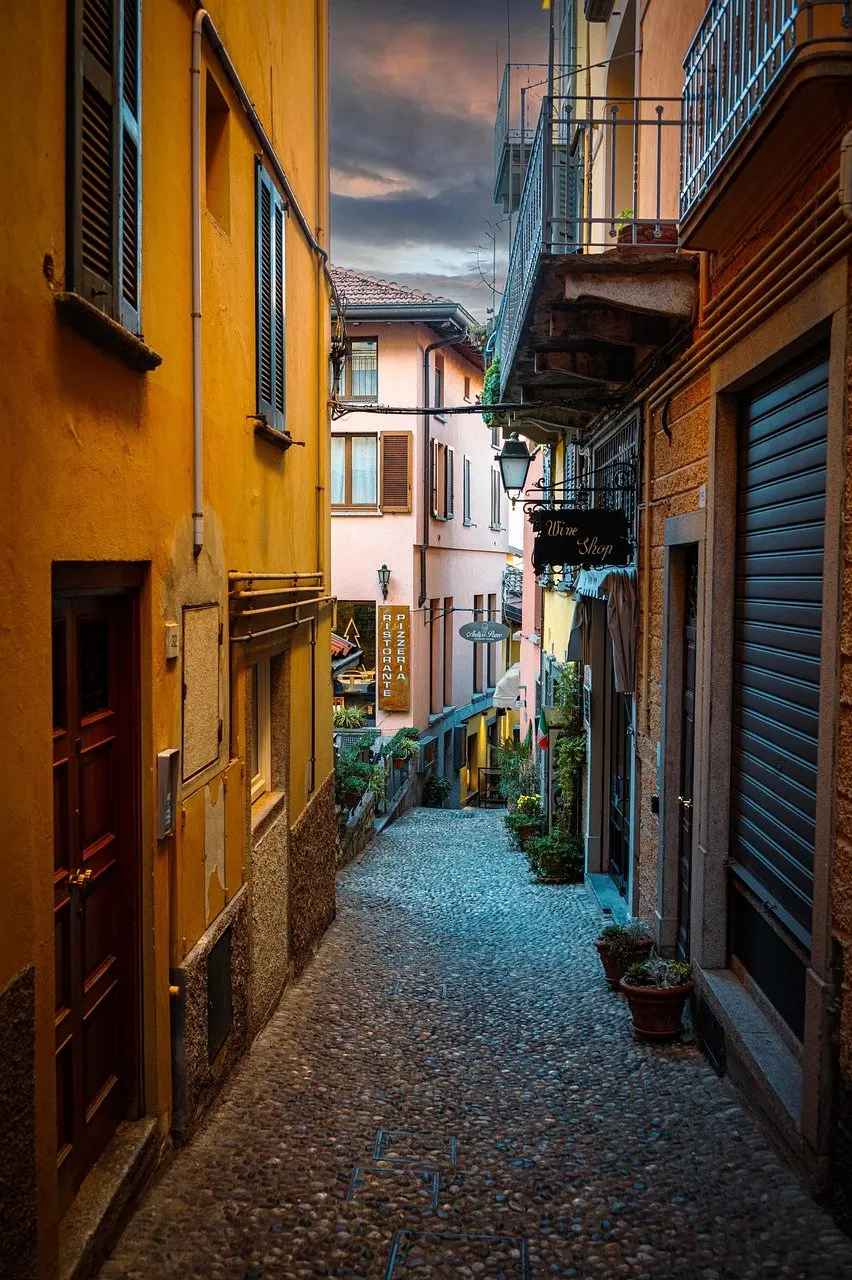
Narrow stretches and signs
Narrow paths leave little room to pass, so a bike with handlebars wider than a pedestrian’s shoulders is awkward. Stop at the entrance to each walkway and look for signs before riding in, rather than discovering a restriction halfway along.
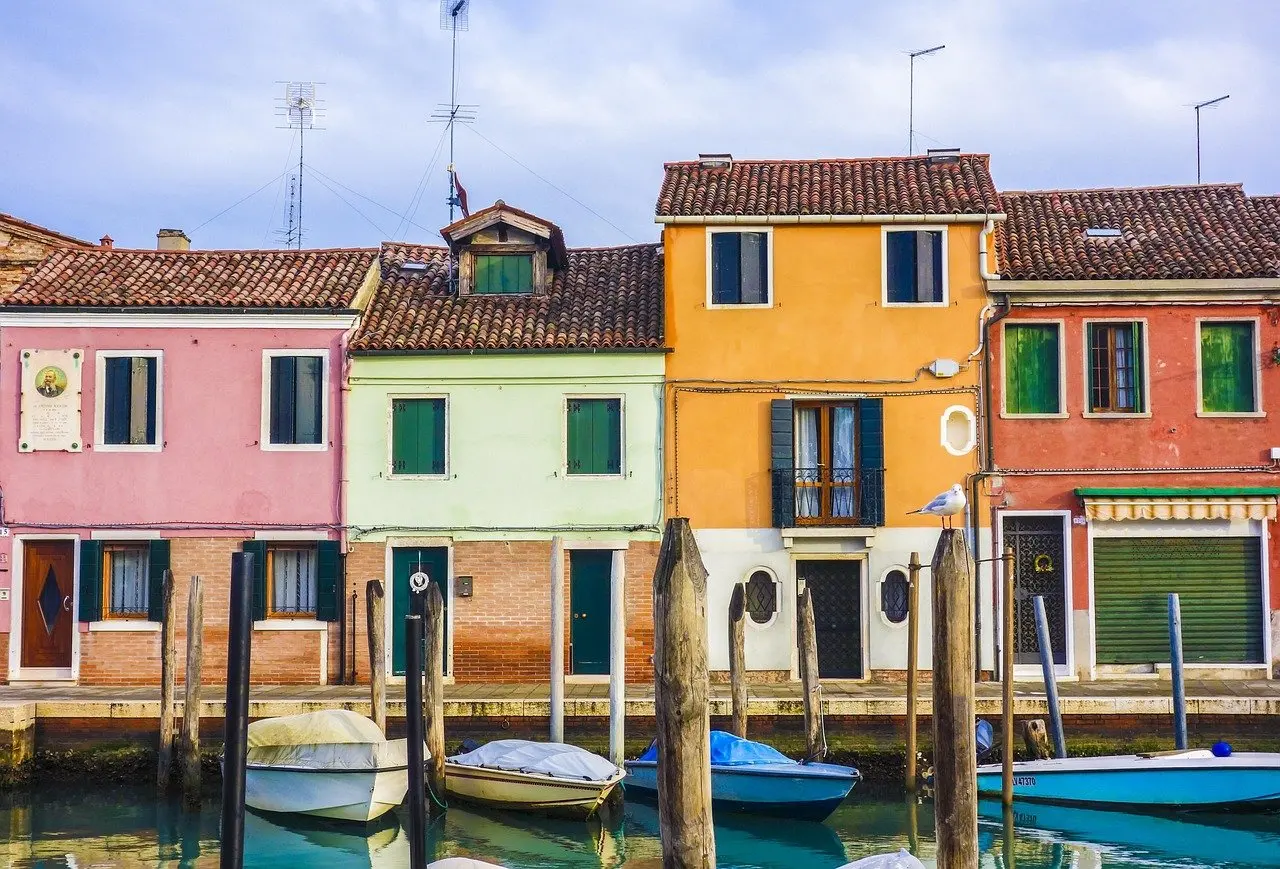
- Stop and read. Check the sign at each access point.
- Dismount if unsure. Walking costs a few minutes and avoids a conflict.
- Keep to one side. Leave space for people walking the other way.
- Give way to people on foot. Pedestrians, strollers and anyone stopped to look at the water always come first.
Bridges and steps
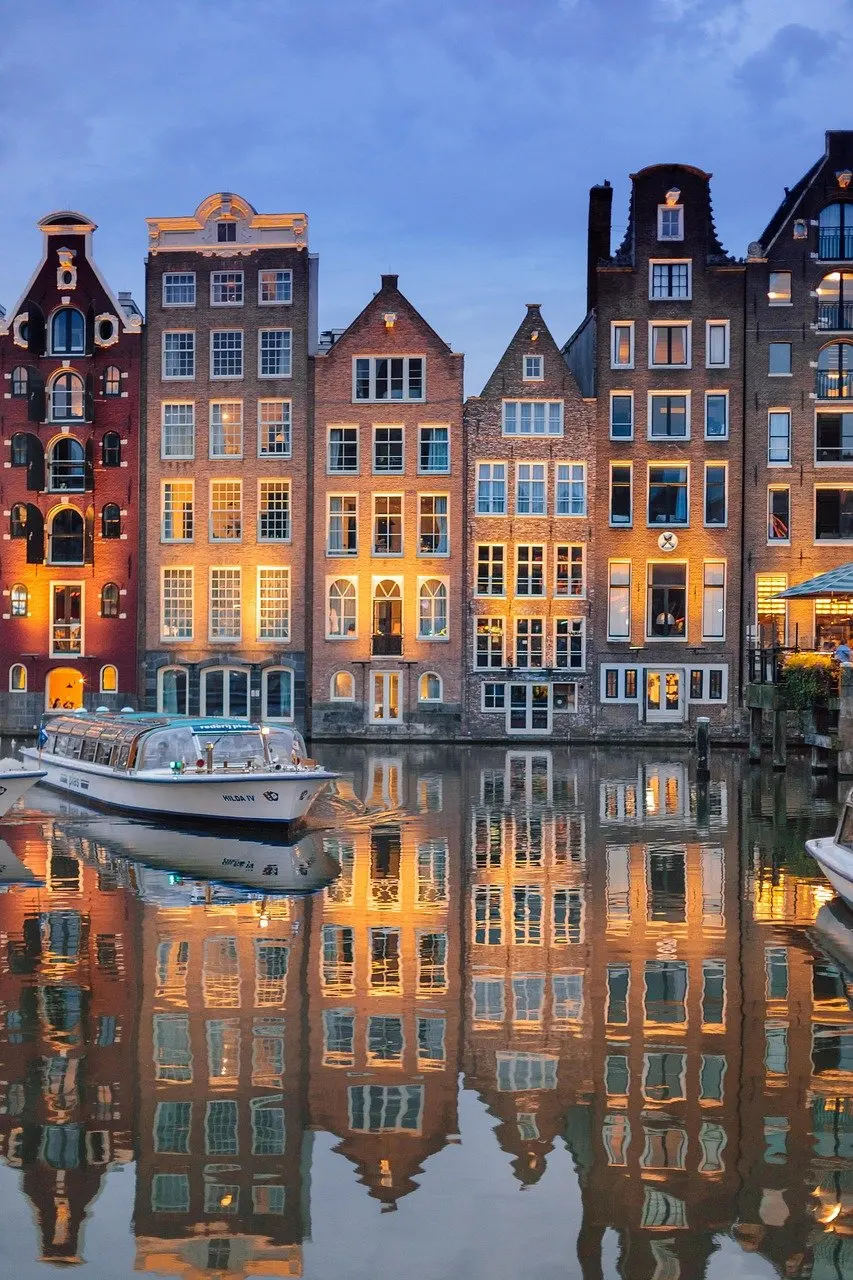
The canals are crossed by footbridges, and a bridge is where riders most often need to get off. Railings, a raised deck and a rise in the surface all change how a bike handles, and people tend to pause on bridges to look at the water. Walk the bike over, even if you could technically ride it.
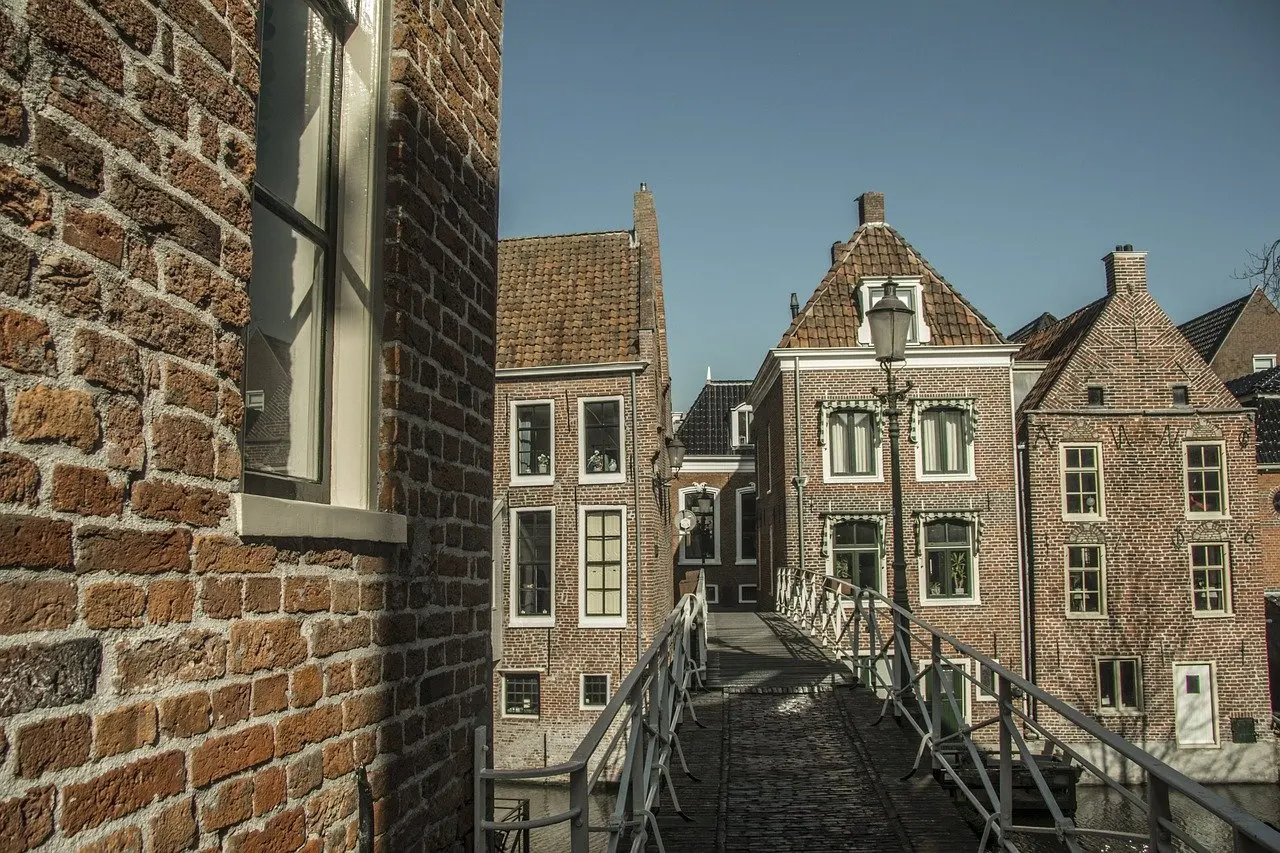
Linking the canals with the beachfront path
Most riders will combine the canals with the Marvin Braude Bike Path, which Biking in LA describes as an internationally famous 22-mile route. The sensible approach is to treat the canals as a pause on that route, not as a lane of it. Ride the path to the nearest convenient point, lock up, and finish on foot.
On the path itself, expect mixed behaviour. The same 2010 account noted a total lack of enforcement of the bike-only restrictions on the Venice and Santa Monica sections, so pedestrians and others can share space meant for bikes. Budget cutbacks were also said to have reduced cleaning, which is why sand could build up on curves. Both reports are dated, but the lesson holds: keep your speed down on approach and look ahead on curves.
When to skip the beachfront approach
Choose a street approach or drive-and-walk plan when the wind is up, when the beach is busy, or when children are riding with you. Sand over concrete is a handling risk for narrow tyres, and a crowded path can leave you arriving at the canals tense rather than relaxed.
A short history stop
A history walk suits foot travel better than a bike. The details that make the canal neighbourhood worth a visit, such as bridges, house fronts and the shape of the waterways, are easiest to notice at walking pace. Park the bike, lock it, and take the walk slowly.
For dates, designation details and the story of how the neighbourhood was laid out, consult City of Los Angeles Historic-Cultural Monument records and local library or historical society archives before or after your visit. Those records give the authoritative account, and a short read beforehand makes the walk more rewarding.
Troubleshooting common problems
- The walkway is crowded. Dismount and walk, or turn back and lock the bike. Waiting a little often clears the way.
- You are not sure whether bikes are allowed. Treat the absence of a clear sign as a reason to walk, not as permission.
- Sand covers the approach. Slow down, avoid sharp braking, and walk through the deepest patches.
- The parking signs conflict or confuse you. Move to a street where the restrictions are clear. A short walk is cheaper than a citation or tow.
- Someone is riding too fast near you. Hold your line, stay predictable and let them pass. Bike-only rules on the beachfront path were reported as poorly enforced, so you cannot rely on others to follow them.
Frequently asked questions
Can you ride a bike on the Venice canal walkways?
Posted signs and city regulations decide. Where a sign says no bikes, walk the bike. Where nothing is posted but the path is busy or narrow, walking is still the considerate choice.
Is the Venice Beach bike path much longer than the canals?
Yes. The Marvin Braude Bike Path is described as 22 miles long, while the canals are a compact neighbourhood best treated as a stop along it.
Where should I leave my bike while I explore on foot?
Lock it to a fixed, legal object near a street where the parking signs are clear, and keep it away from residents’ fences, railings and driveways.
Why does sand matter on the way to the canals?
A 2010 account reported several inches of windblown sand piled on curves near Venice Beach, which can unsettle narrow tyres. Ride slowly through curves and walk the bike through deep patches.